O&M
Predictive vs reactive maintenance for HV transformers
DGA, thermography, BDV and online monitoring: how predictive maintenance extends a high-voltage transformer life.
Piyush Shingala
6 min read
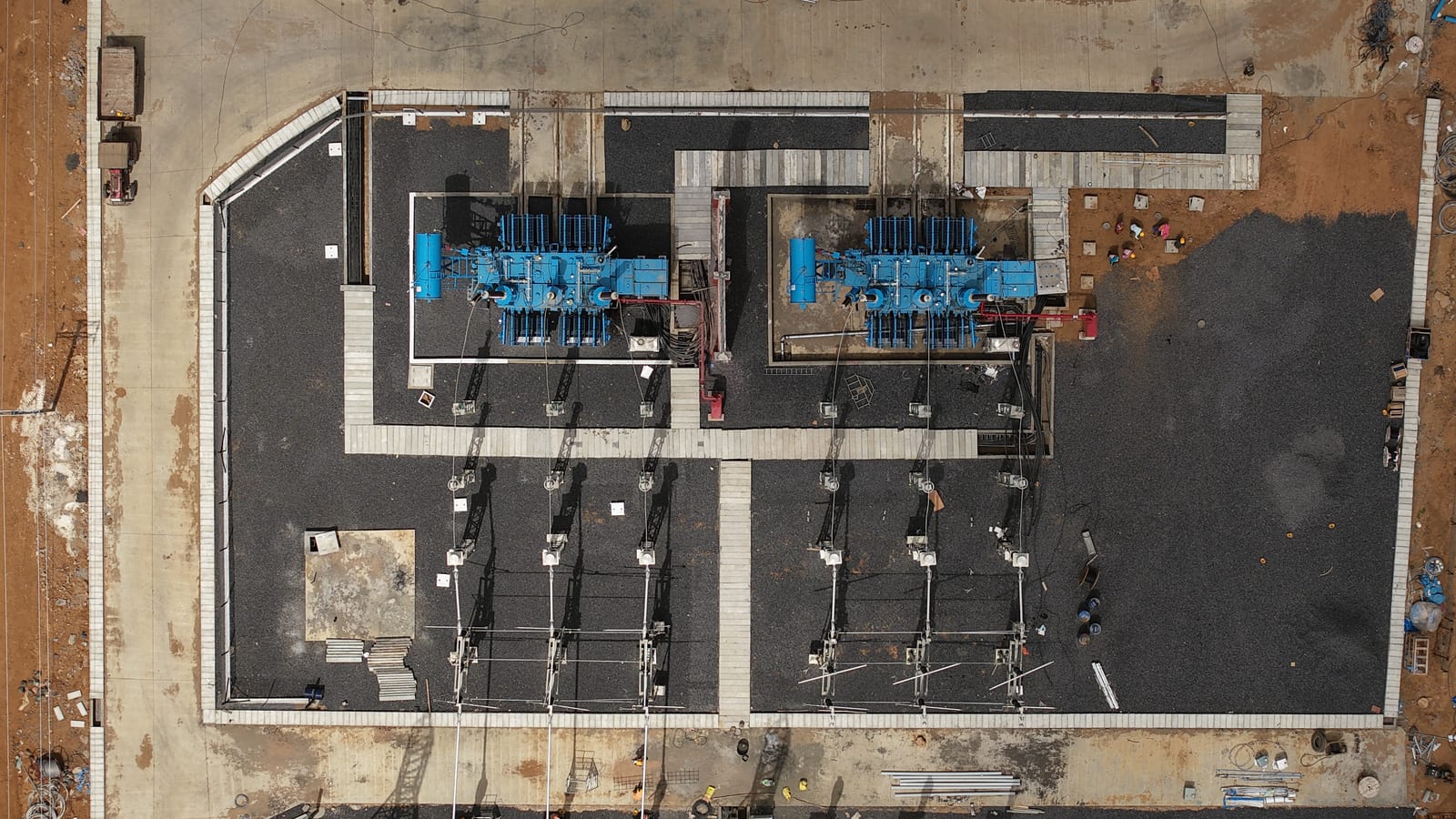
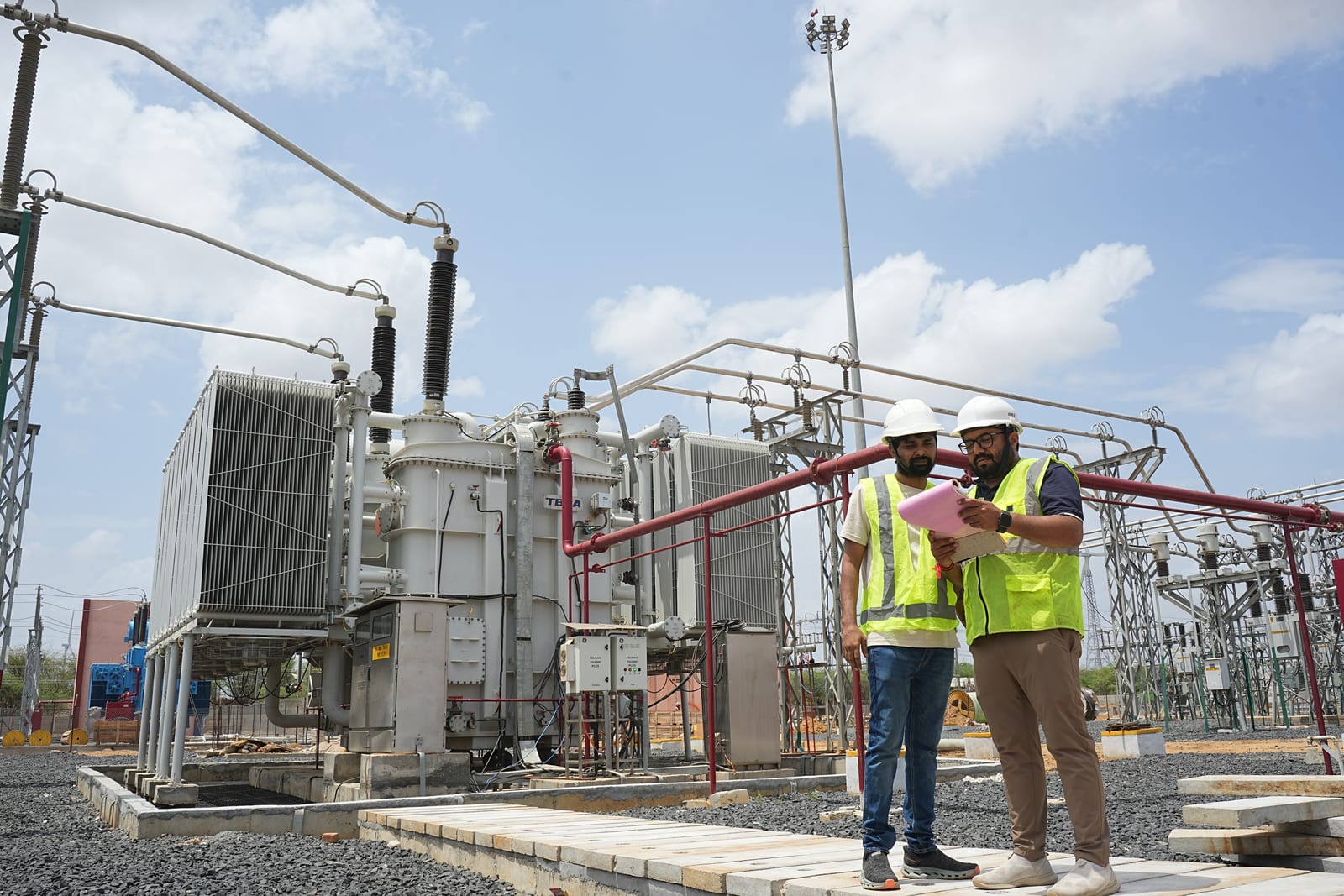
A power transformer is the single most expensive and longest-lead asset in most substations, and its failure can take a plant offline for weeks. How you maintain it largely determines whether it lasts its full design life or fails early and catastrophically. The shift from reactive repair to predictive, condition-based maintenance is one of the highest-return decisions in electrical asset management.
This article contrasts the maintenance philosophies and outlines the predictive techniques that extend transformer life.
1. Three Maintenance Philosophies
- Reactive: fix it when it fails. Cheapest to plan, most expensive in downtime and collateral damage.
- Preventive: service on a fixed calendar regardless of condition. Better, but can over- or under-service.
- Predictive (condition-based): monitor actual condition and act before failure. Targets effort where it is needed and catches problems early.
2. The Predictive Toolkit
| Technique | What It Detects |
|---|---|
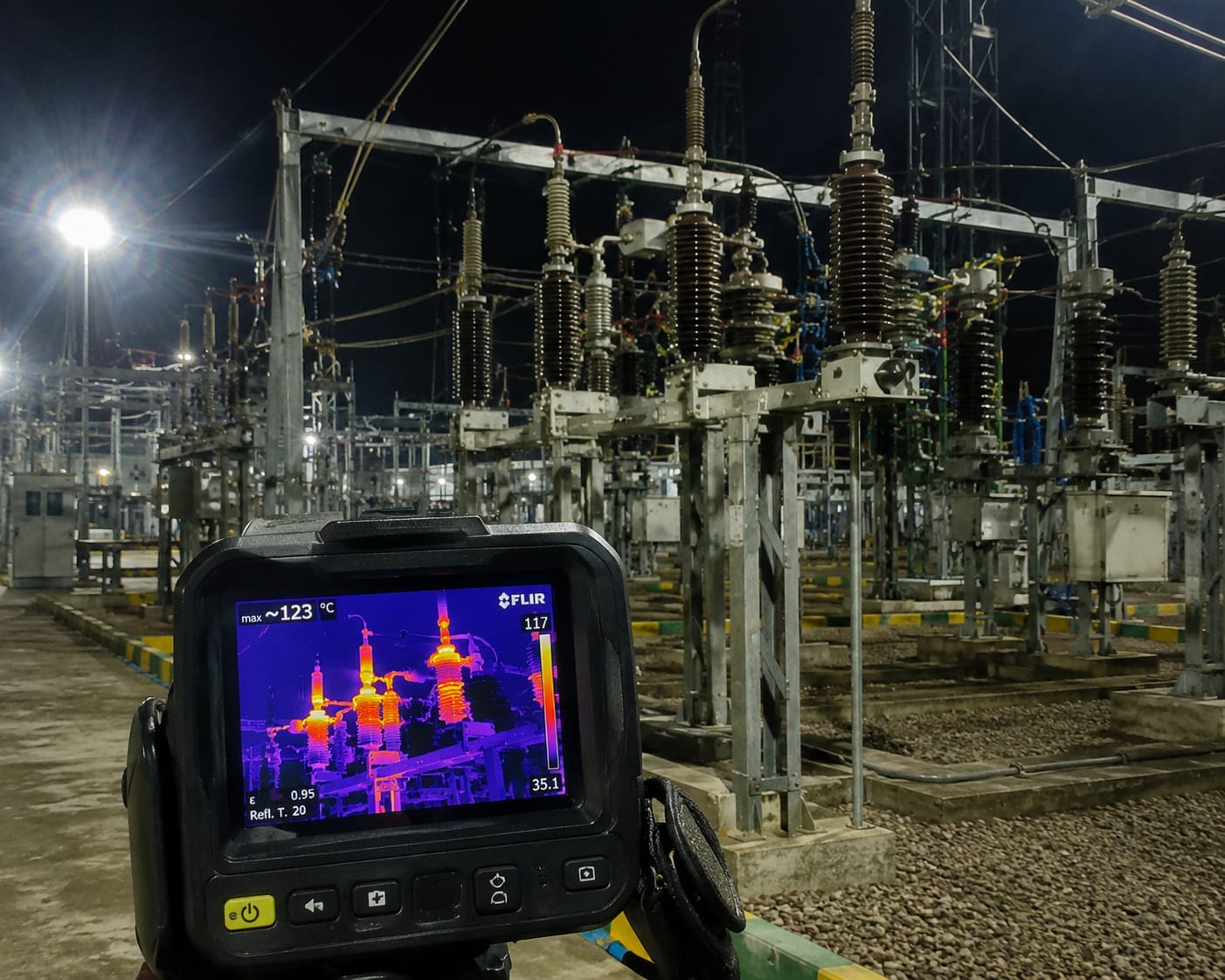
| Dissolved gas analysis (DGA) | Incipient faults: overheating, arcing, partial discharge, from gases dissolved in the oil. |
| Thermography | Hot spots at bushings, connections, and cooling systems. |
| Oil BDV & quality tests | Moisture and contamination degrading insulation strength. |
| SFRA | Mechanical winding deformation after faults or transport. |
| Online monitoring | Continuous tracking of temperature, load, gas, and bushing condition. |
3. Why DGA Is the Cornerstone
Insulating oil carries chemical fingerprints of developing faults long before they become failures. Regular DGA, trended over time, is the most powerful early-warning tool available, letting engineers intervene during a planned outage rather than after a forced one.
4. Building the Strategy
- Risk-rank assets: focus the most intensive monitoring on the most critical and oldest transformers.
- Trend, don't just test: single readings mean little; trends over time reveal developing problems.
- Tie data to action: define clear thresholds that trigger inspection, oil treatment, or replacement planning.
5. The Payoff
Predictive maintenance extends transformer life, avoids catastrophic failures and their collateral damage, smooths capital planning by forecasting replacements, and slashes unplanned downtime, typically repaying the monitoring investment many times over.
Conclusion
Moving from reactive repair to predictive, condition-based maintenance is how you extend transformer life and avoid the outages that hurt most.
Volcur designs and runs predictive maintenance programmes that protect your most critical electrical assets.
Frequently asked questions
What is dissolved gas analysis (DGA)?
DGA tests the gases dissolved in transformer oil to detect incipient faults, such as overheating or arcing, well before they cause failure, making it the cornerstone of predictive maintenance.
Is predictive maintenance worth the cost?
For critical, expensive transformers, yes. Avoiding even one catastrophic failure and its downtime typically repays the monitoring investment many times over.
How often should transformer oil be tested?
Frequency depends on the transformer's age, criticality, and condition trend, but periodic DGA and oil-quality testing on a risk-based schedule is standard practice.