Substations
AIS vs GIS: choosing between air-insulated and gas-insulated substations
Air-insulated or gas-insulated? How footprint, cost, maintenance and environment should drive the call, and where SF6-free fits.
Volcur Engineering
6 min read
Few decisions shape a substation's cost, footprint, and lifetime maintenance bill as decisively as the choice of insulation technology. Air-insulated substations (AIS) and gas-insulated substations (GIS) both deliver reliable power, but they suit very different sites, budgets, and constraints. For industrial buyers and procurement heads, understanding the trade-offs prevents expensive mistakes locked in for decades.
This guide compares AIS and GIS across the factors that actually drive the decision, and explains why a third path, SF6-free switchgear, increasingly belongs in the conversation.
1. The Core Difference: What Insulates the Live Parts
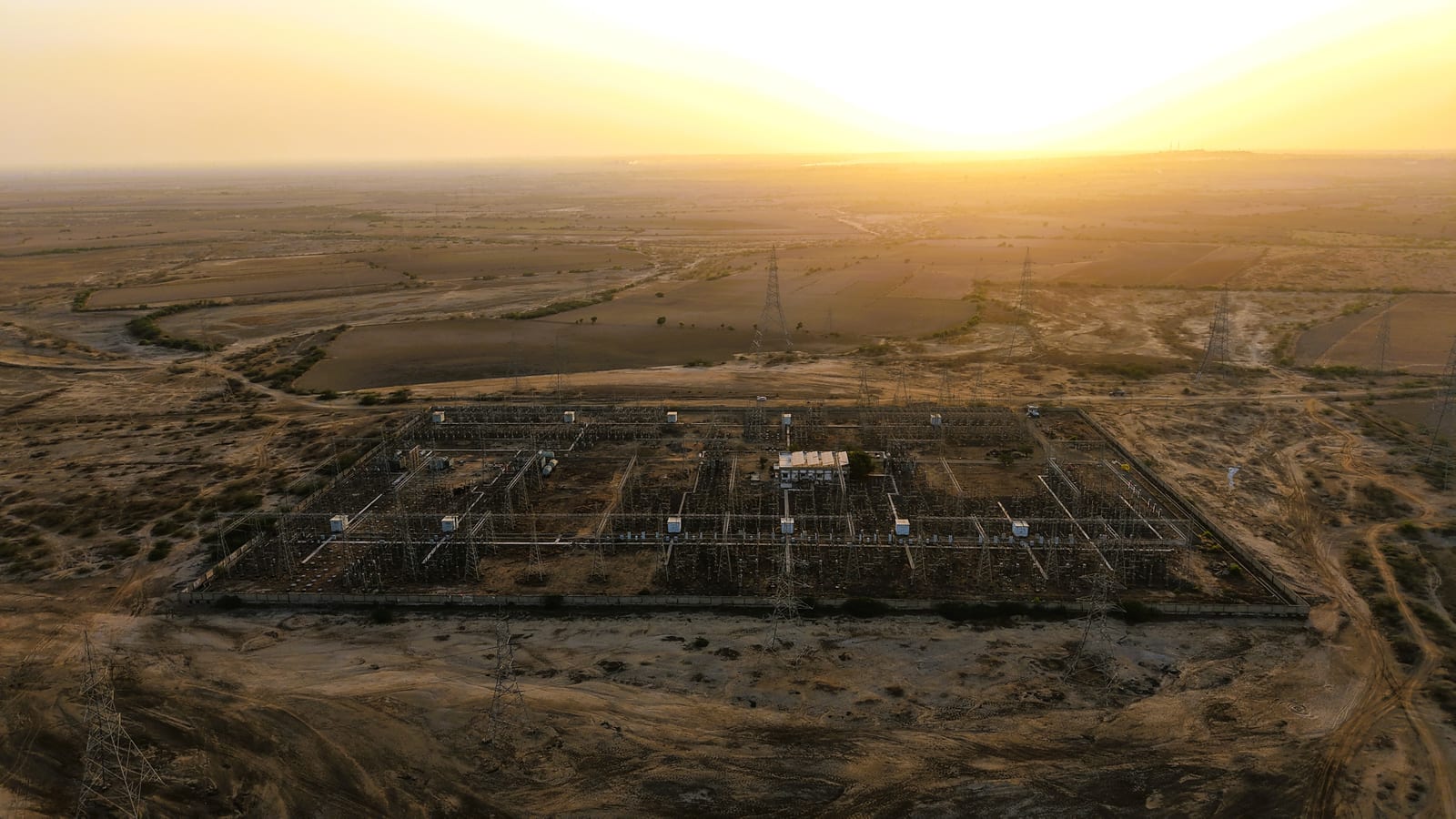
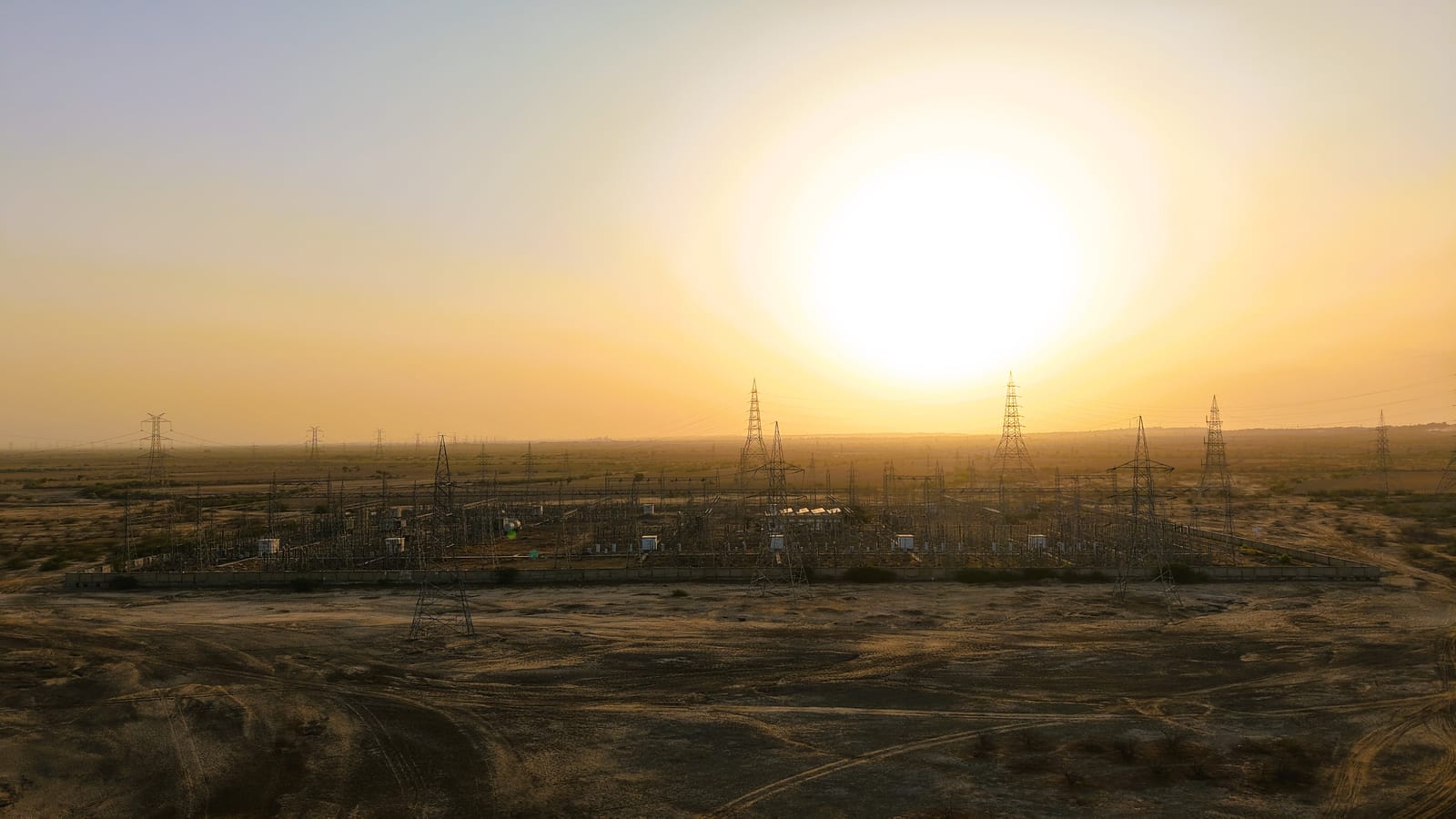
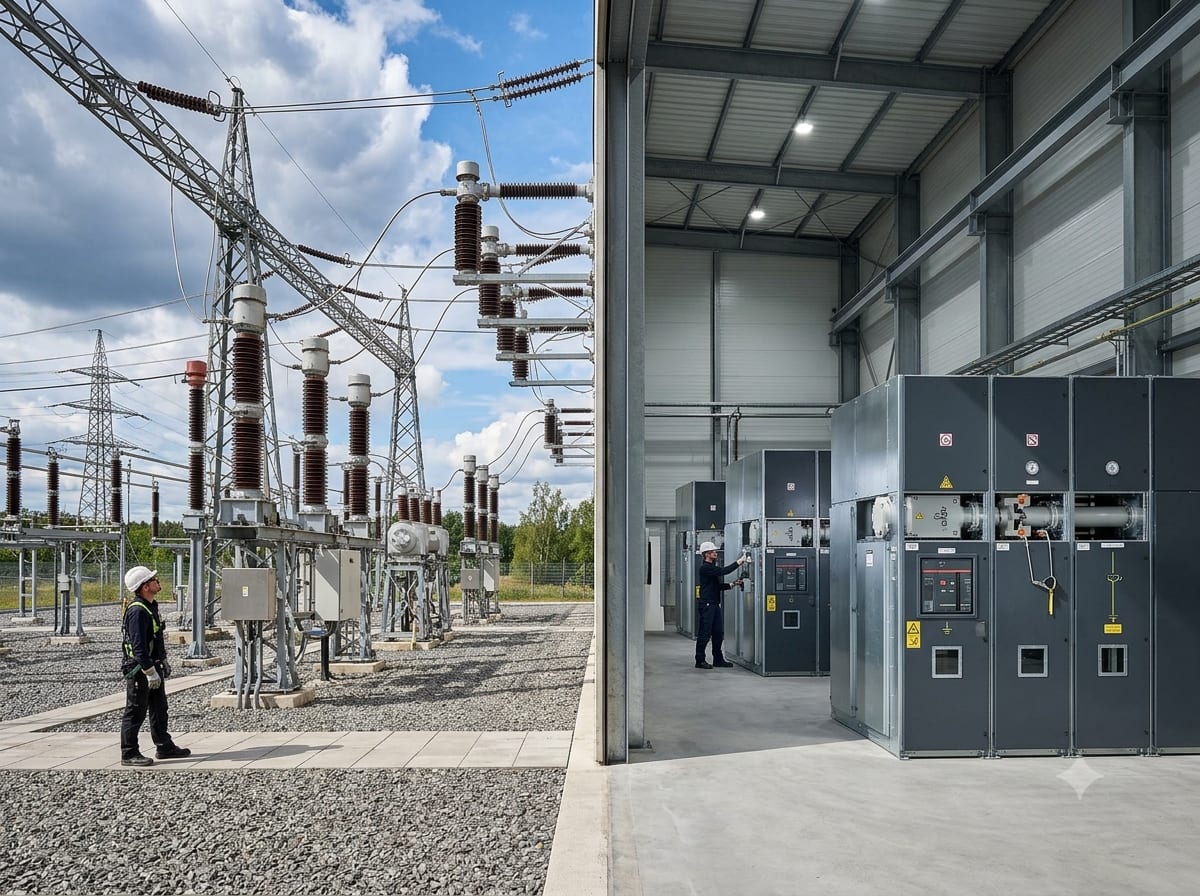
In AIS, the insulation medium between live conductors is ordinary atmospheric air, so equipment is spaced apart in an open yard. In GIS, the same components are sealed inside earthed metal enclosures filled with an insulating gas of far higher dielectric strength, allowing everything to be packed into a fraction of the space.
2. Head-to-Head Comparison
| Factor | AIS | GIS |
|---|---|---|
| Footprint | Large open yard | Up to ~70% smaller, ideal for tight sites |
| Upfront cost | Lower CapEx | Higher CapEx |
| Maintenance | More frequent; exposed parts | Minimal; sealed, weather-proof |
| Environment | Vulnerable to dust, salt, fumes | Fully protected from pollution |
| Lifespan / reliability | Good, but ageing accelerated by exposure | Excellent in harsh conditions |
3. Where AIS Still Makes Sense
- Ample land is available: greenfield sites away from cities where space is cheap.
- Budget is the priority: lower initial outlay matters more than footprint or maintenance.
- Easy access is valued: components are visible and straightforward to inspect and service.
4. Where GIS Wins
- Space is constrained: urban plots, rooftop/indoor installations, or expansion within an existing facility.
- The environment is harsh: coastal, chemical, cement, or heavily polluted industrial zones.
- Reliability is critical: processes where any outage is extremely costly justify the premium.
5. The SF6-Free Dimension
Historically, GIS relied on SF6 gas, an excellent insulator but a potent greenhouse gas with a global warming potential thousands of times that of CO2. Manufacturers now offer SF6-free GIS using clean air with vacuum switching, or fluoronitrile gas mixtures, with comparable footprint and performance across a wide voltage range. For organisations with net-zero commitments, or those wary of tightening regulation, specifying SF6-free protects the asset against future obligations. A hybrid approach, GIS for the compact bays and AIS for the open ones, is also common where it optimises cost and space.
Conclusion
AIS versus GIS is not about which is "better", it is about which fits your land, budget, environment, and reliability needs. Increasingly, SF6-free options add a sustainability dimension worth weighing.
Volcur provides independent technology evaluation and turnkey execution for both AIS and GIS substations.
Frequently asked questions
Is GIS worth the higher cost?
Where land is scarce or the environment is harsh, GIS's smaller footprint and near-zero maintenance often pay back the premium over the asset's life. On open, low-pollution sites, AIS can be the better value.
Can you combine AIS and GIS in one substation?
Yes. Hybrid substations use GIS where space or environment demands it and AIS elsewhere, optimising both cost and footprint.
Is SF6 being phased out in India?
India has not banned SF6 outright, but global regulatory momentum and corporate ESG targets are pushing the industry toward SF6-free equipment. Specifying it now future-proofs the asset.