Substations
Why modular substations are the future of Indian power infrastructure
Faster deployment, factory quality and a smaller footprint: why prefabricated, packaged substations suit solar, EV and industrial loads.
Kishan Savaliya
6 min read
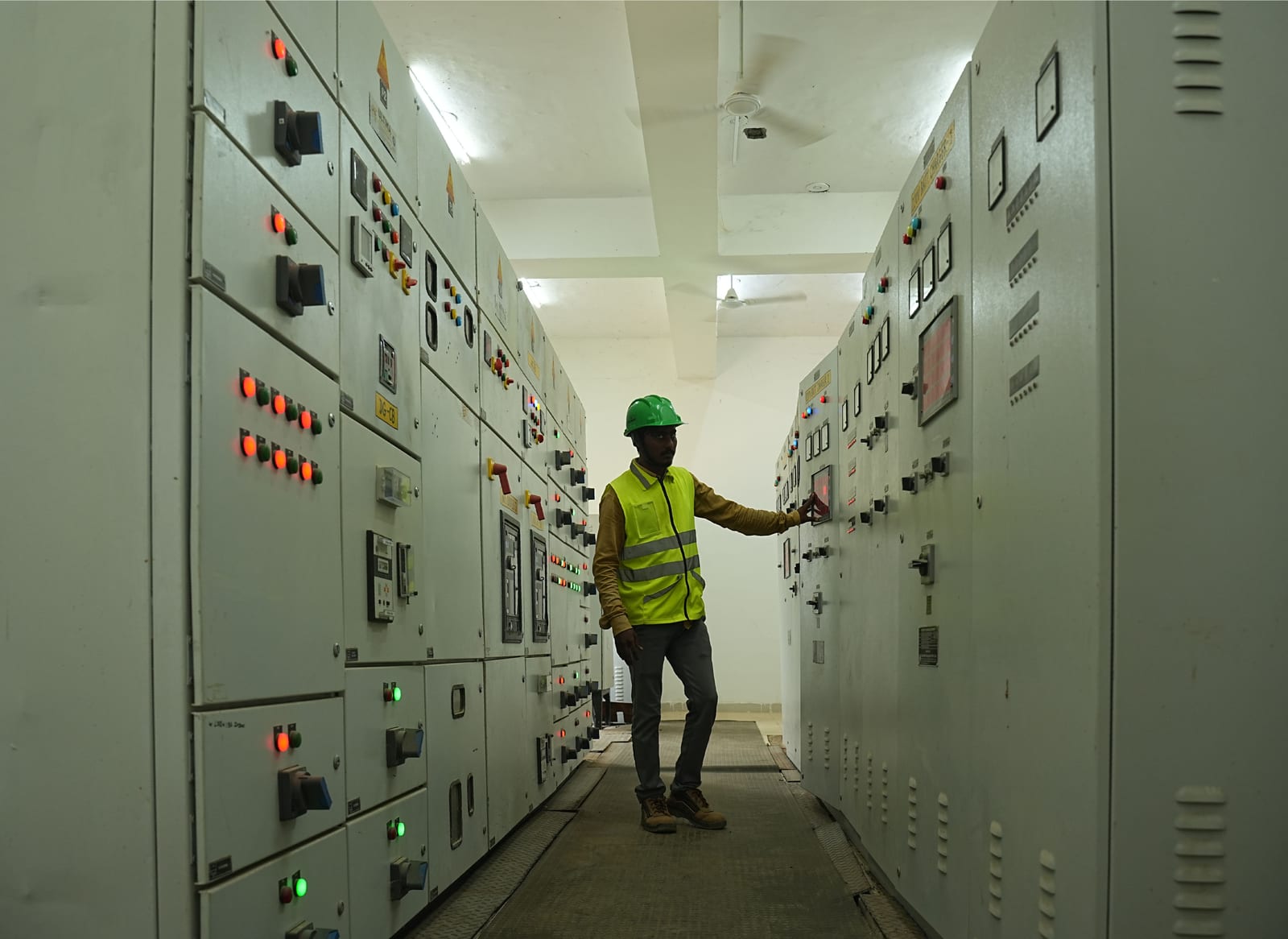
India is adding generation, renewables, and industrial load faster than traditional, build-on-site substations can keep up. Conventional substations take many months to construct in the field, exposed to weather and variable workmanship. Modular, or prefabricated, substations flip this model: the substation is built and tested in a controlled factory, then shipped to site as ready-to-connect units.
For a country racing to expand its grid and integrate renewables, that speed and consistency are exactly what the infrastructure needs.
1. What Is a Modular Substation?
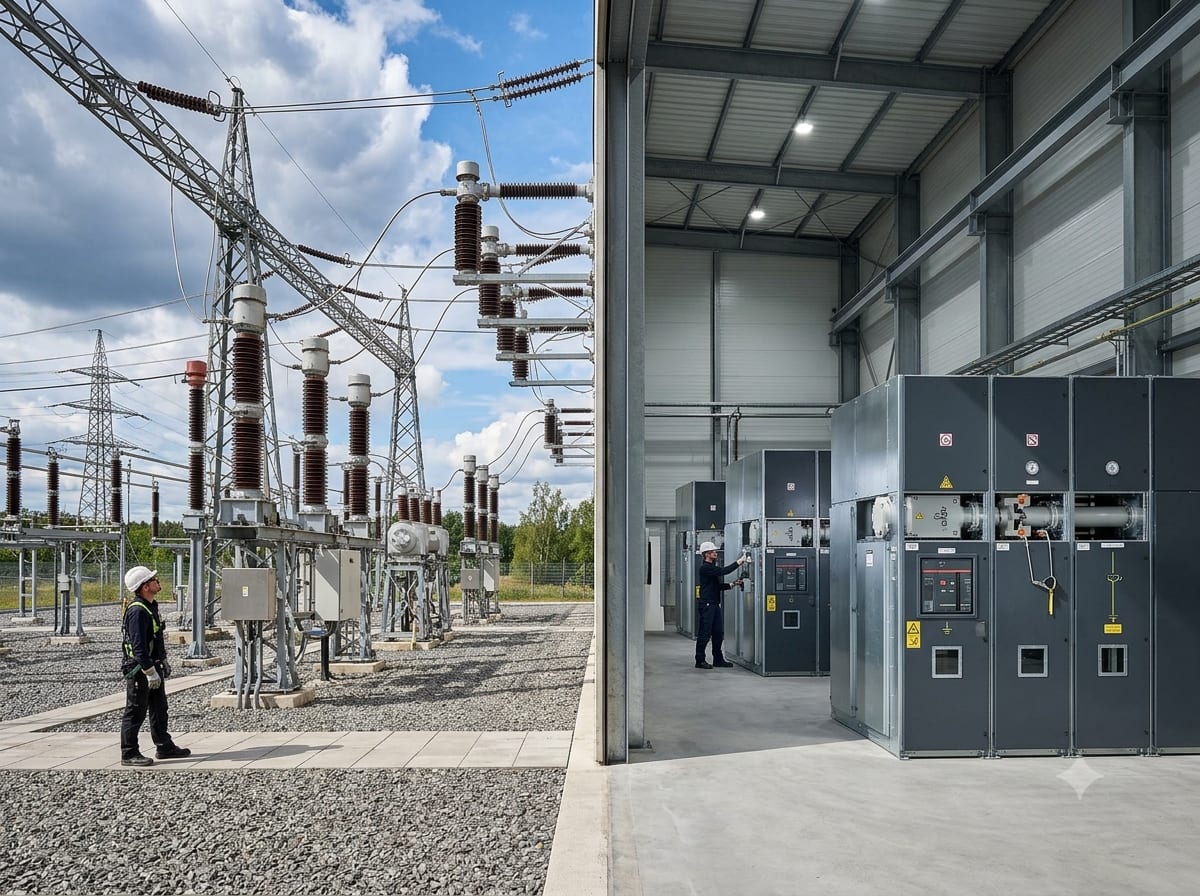
A modular substation packages switchgear, transformers, protection, and controls into pre-engineered enclosures (often called e-houses or packaged substations) that are factory-assembled and tested, transported to site, and connected with minimal field work. The design is repeatable, standardised, and quality-controlled.
2. Why India Needs the Speed
- Renewable build-out: solar and wind parks need grid connection fast; modular units compress timelines dramatically.
- Distribution reform: programmes to strengthen and modernise the distribution network benefit from standardised, quickly deployed assets.
- Industrial expansion: manufacturers expanding capacity cannot wait many months for power infrastructure.
3. The Core Advantages
| Advantage | What It Means for the Owner |
|---|---|
| Faster deployment | Factory build runs in parallel with site civil works, cutting overall schedule sharply. |
| Factory quality | Controlled assembly and full pre-dispatch testing reduce site errors and rework. |
| Smaller footprint | Compact, often GIS-based layouts fit constrained plots and rooftops. |
| Relocatable | Units can be moved or redeployed as load patterns change. |
4. Ideal Use Cases
- Solar and wind parks: standardised collection and step-up substations.
- EV charging hubs: compact power infrastructure for high-power charging depots.
- Industrial and data-centre loads: rapid, reliable power for new or expanding facilities.
5. What to Consider
Modular is not automatically cheaper on every project, and very large or highly customised substations may still favour conventional builds. The decision turns on schedule pressure, site constraints, standardisation potential, and transport access. A good engineering partner models both options before recommending one.
Conclusion
As India scales its grid for renewables and industry, modular substations offer the speed, quality, and flexibility that conventional builds struggle to match.
Volcur delivers turnkey high-voltage substations to programme, on tight schedules and constrained sites, and helps owners weigh the right build approach for each project.
Frequently asked questions
Are modular substations more expensive than conventional ones?
Not necessarily. While the packaged units carry a premium, the schedule savings, reduced site labour, and quality consistency often make the total installed cost competitive, especially under time pressure.
Can a modular substation be relocated later?
Yes. A major advantage of packaged designs is that units can be relocated or redeployed as load or site requirements change.
What voltage levels are available as modular substations?
Packaged and modular designs are available across distribution and sub-transmission levels, commonly up to 132 kV, with the exact range depending on the equipment and enclosure.