Substations
The turnkey substation commissioning process, end to end
Pre-commissioning checks, equipment testing, protection and SCADA, staged energisation and handover: how a substation goes live.
Piyush Shingala
7 min read
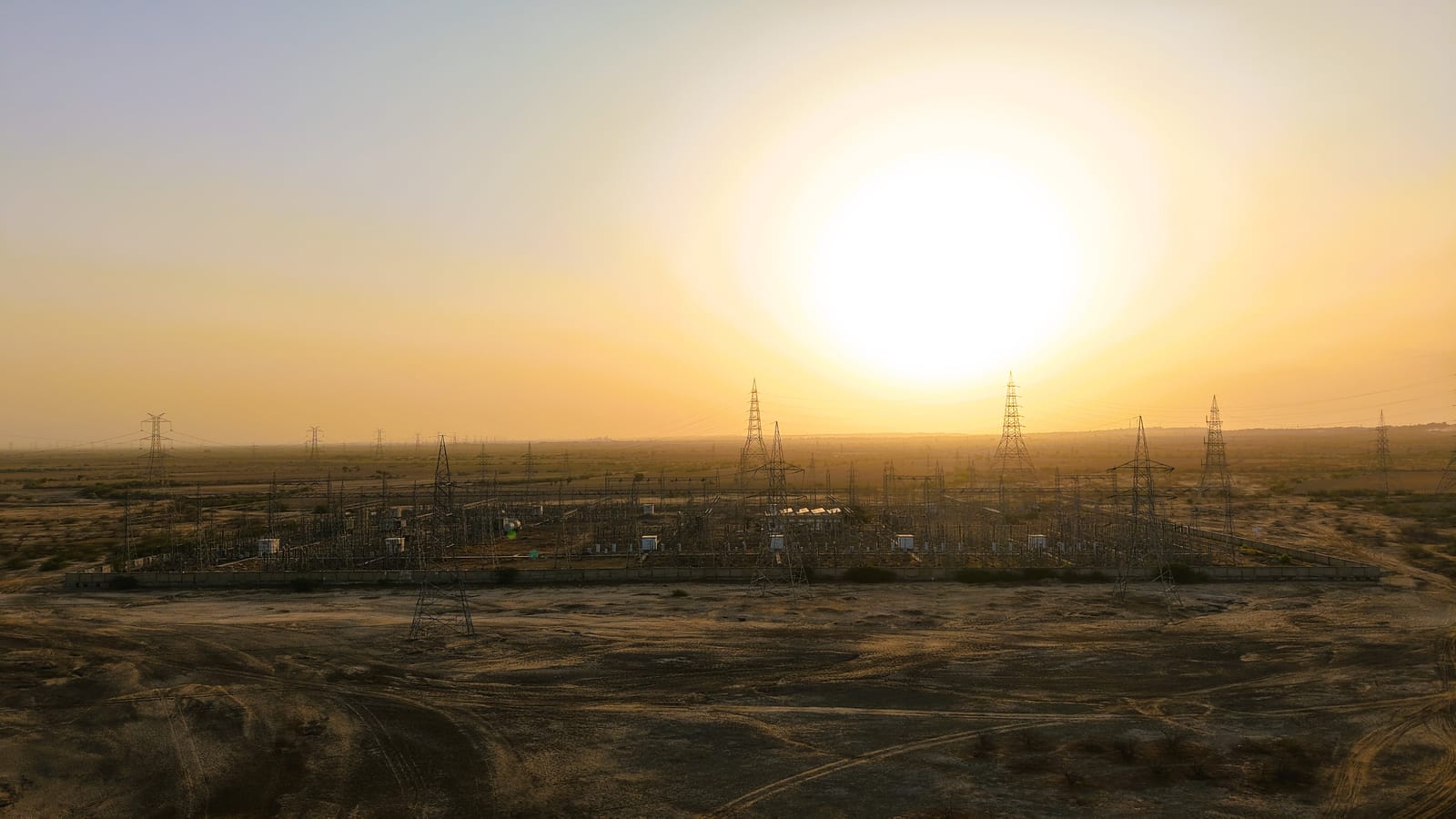
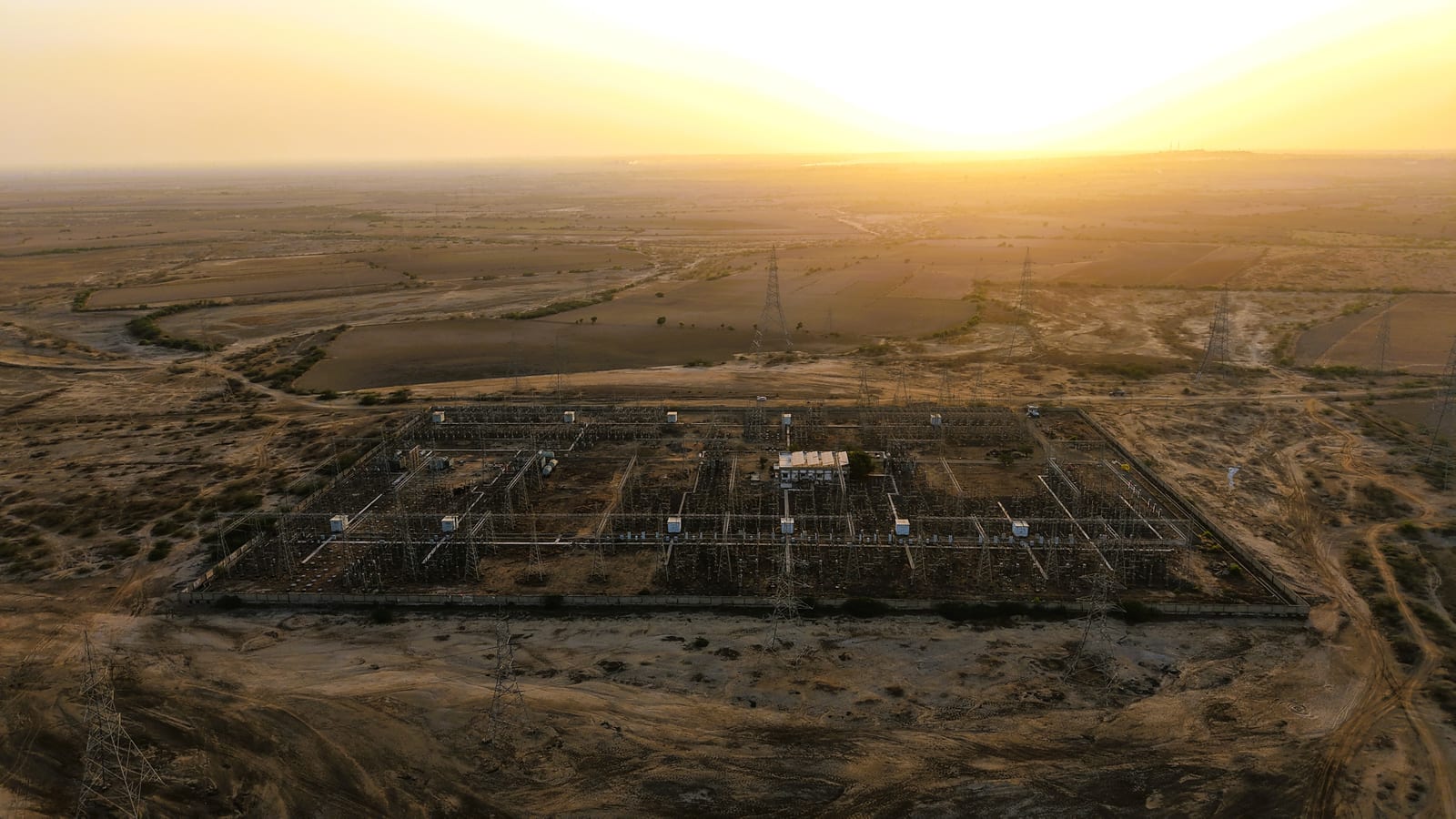
Commissioning is the moment a substation transforms from a yard of installed equipment into a live, protected, grid-connected asset. It is also where latent design and installation errors surface, ideally on the test bench, not during operation. A disciplined commissioning process is what separates a substation that energises smoothly on the first utility inspection from one that fails and racks up costly delays.
This guide walks through the commissioning sequence Volcur follows on turnkey projects, from the first continuity check to final handover.
1. Pre-Commissioning Checks
Before any equipment is energised, the team verifies that everything is installed correctly and safely.
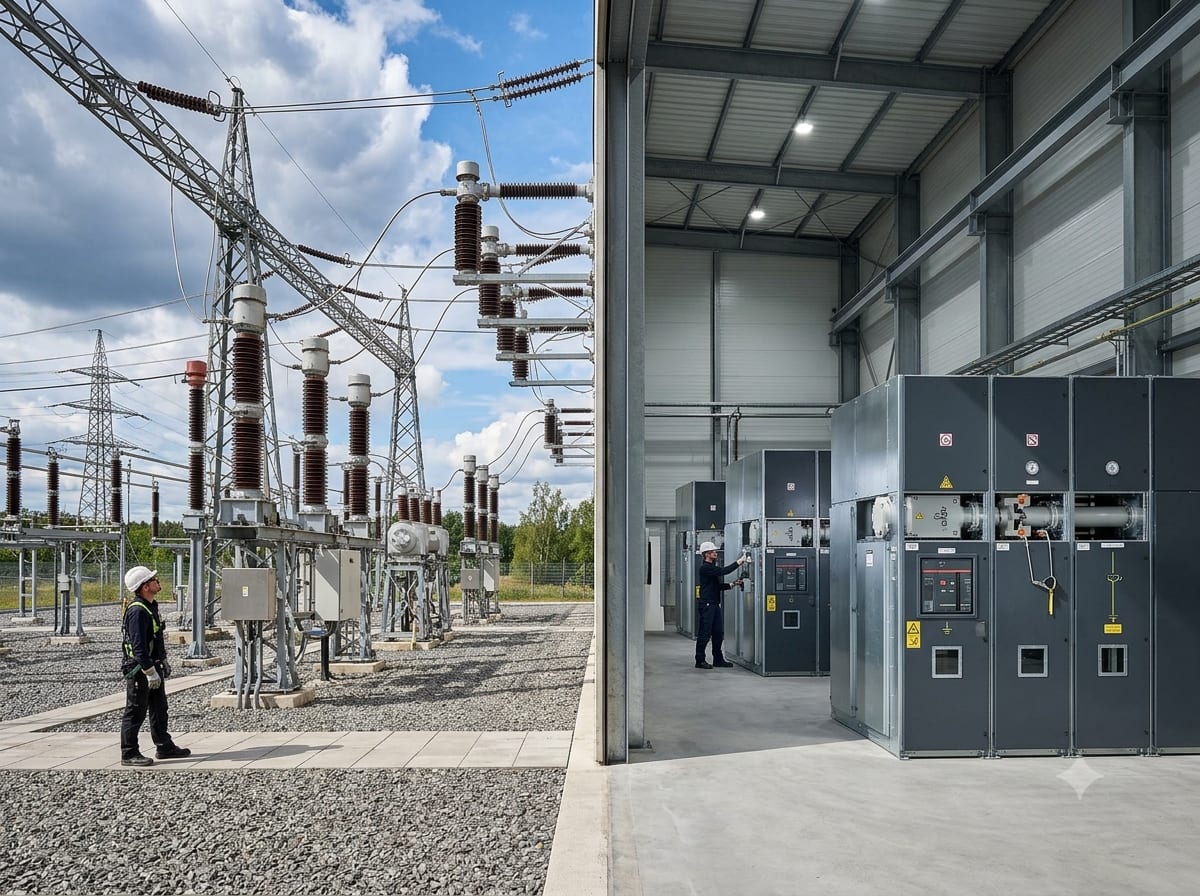
- Visual and mechanical inspection: confirm equipment ratings, connections, torque values, clearances, and labelling against approved drawings.
- Earthing verification: measure earth-grid resistance and confirm all equipment is bonded to the grid.
- Cleanliness and safety: remove debris and tools, confirm interlocks, signage, and access controls.
2. Equipment Testing
Each major component is tested individually before the system is energised as a whole.
| Equipment | Key Tests |
|---|---|
| Power transformer | Winding resistance, turns ratio, insulation resistance & polarisation index, oil BDV, and oil DGA baseline. |
| Circuit breakers | Contact resistance, timing/operation, and insulation tests. |
| CTs & PTs | Ratio, polarity, magnetisation curve, and insulation. |
| Cables & busbars | Insulation resistance and HV / hi-pot withstand tests. |
3. Protection Relay & SCADA Testing
The protection system is the substation's nervous system, and it must trip correctly before the equipment ever carries load.
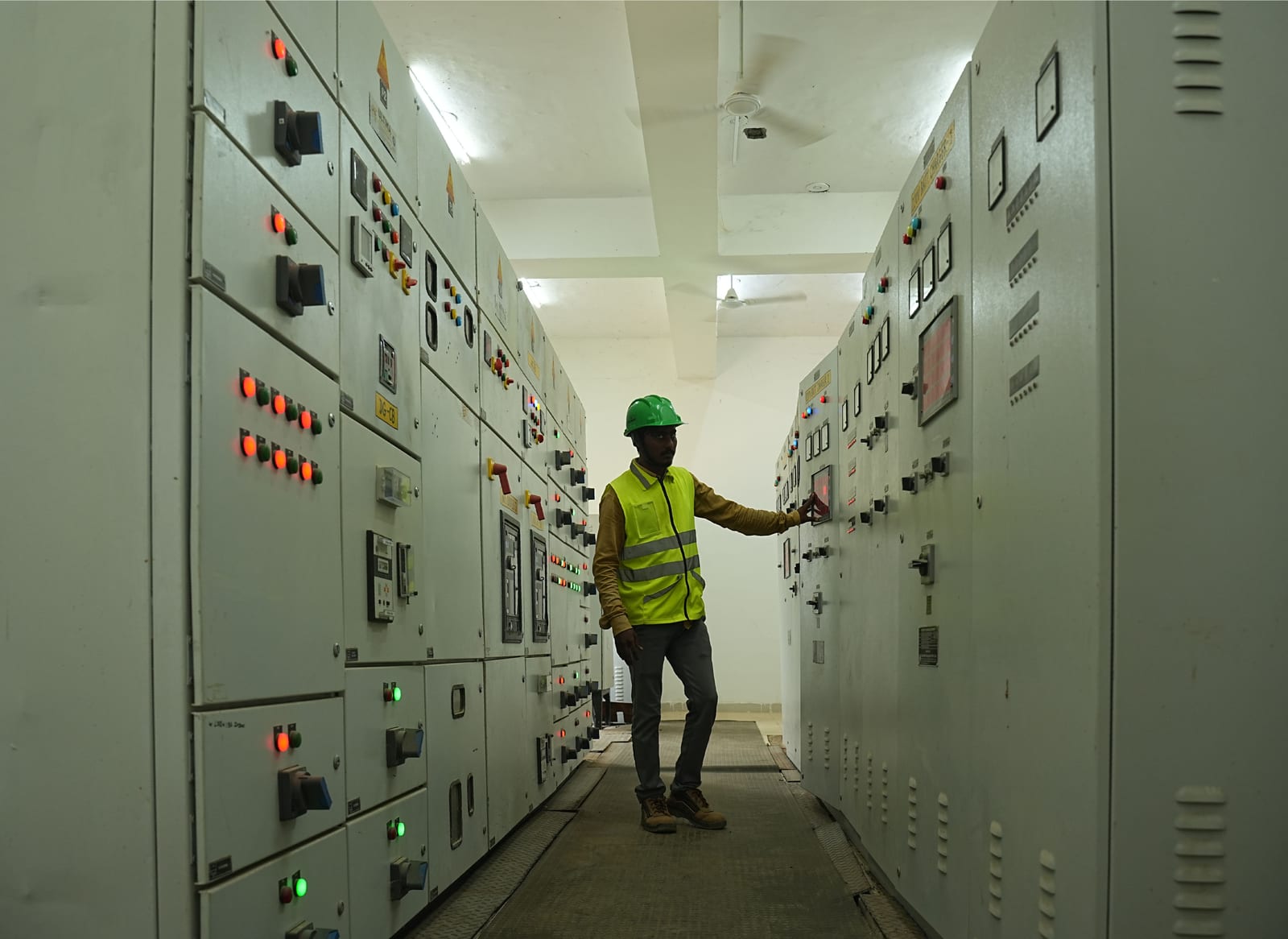
- Relay configuration & secondary injection: verify settings, pickup, and timing by injecting test currents/voltages.
- Trip and interlock checks: confirm each relay operates the correct breaker and that interlocks prevent unsafe operations.
- SCADA point-to-point: verify every monitored and controlled point reports and operates correctly to the control room.
4. Charging & Energisation Sequence
With component tests passed, the substation is energised in a controlled, staged sequence, charging the incoming line, then the busbar, then transformers, then outgoing feeders, observing stability and protection behaviour at each step before proceeding.
5. Documentation & Handover
Commissioning is not complete until it is documented. Test reports, as-built drawings, settings records, and O&M manuals are compiled, and operators are trained before the asset is formally handed over.
Conclusion
Methodical commissioning protects people, equipment, and timelines, and is the surest way to pass utility inspection on the first attempt.
Volcur provides complete commissioning services backed by calibrated test equipment and experienced engineers.
Frequently asked questions
What is the difference between testing and commissioning?
Testing verifies individual components in isolation; commissioning verifies the complete, integrated system operates safely and as designed, culminating in energisation and handover.
What are FAT and SAT?
Factory Acceptance Testing (FAT) is done at the manufacturer's works before dispatch; Site Acceptance Testing (SAT) verifies the same equipment after installation, under site conditions.
How long does substation commissioning take?
It depends on size and complexity, but commissioning a medium industrial substation typically runs from a few weeks to a couple of months, including testing, protection checks, and staged energisation.