Industry
How battery storage is reshaping industrial power backup
BESS vs diesel gensets, the key use cases, sizing, and the policy tailwinds making storage a serious backup option.
Volcur Engineering
6 min read
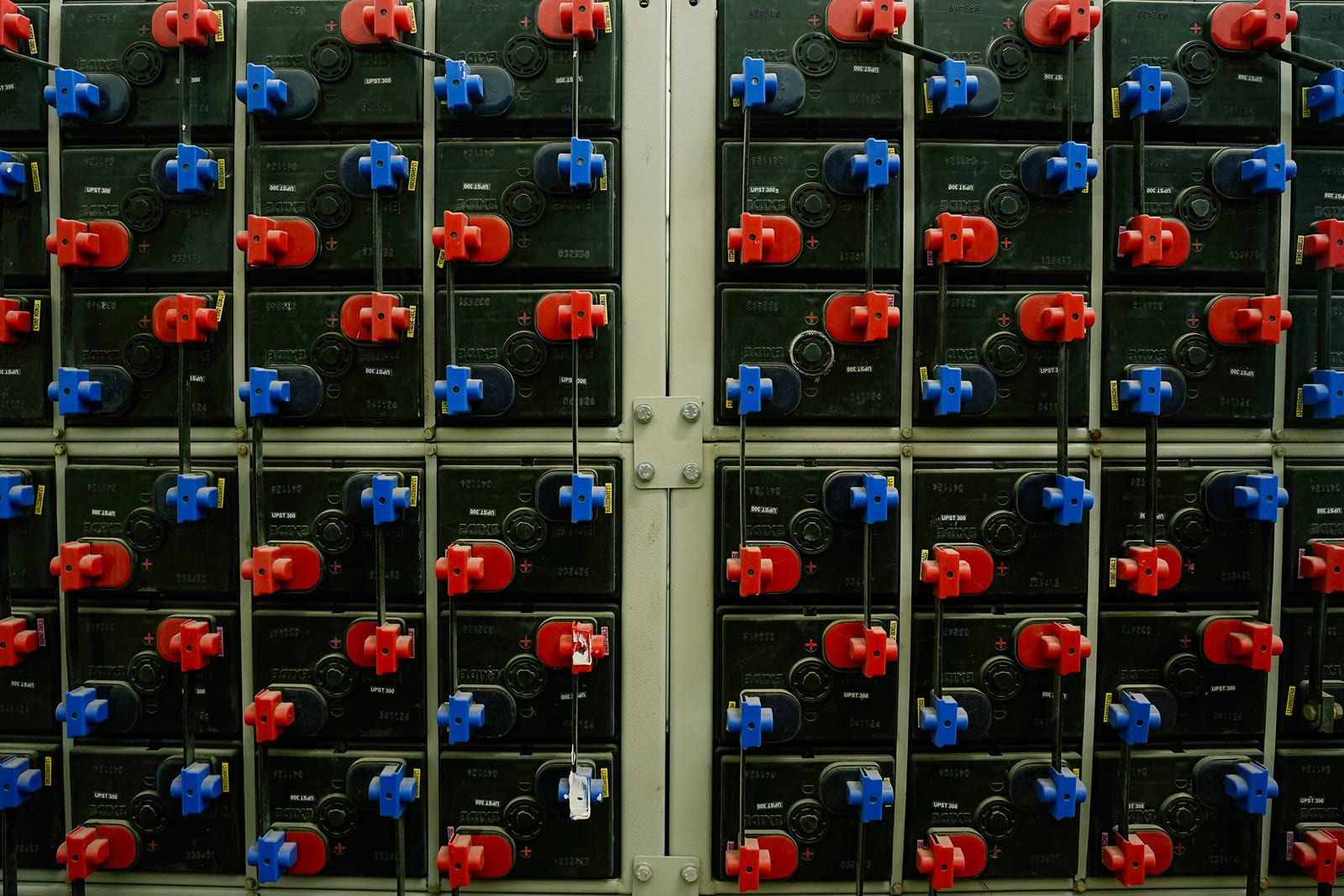
For decades, industrial backup meant diesel generators: noisy, polluting, and slow to start. Battery energy storage systems (BESS) are rewriting that playbook. A modern BESS delivers instant, silent, clean backup, and it does far more than wait for an outage: it shaves demand charges, firms up solar, and stabilises power quality every single day. In a country building storage at record pace, industrial BESS has moved from novelty to mainstream.
This article explains how BESS works, where it pays, and how India's policy environment is accelerating adoption.
1. Why BESS beats diesel for many roles
| Factor | BESS vs diesel genset |
|---|---|
| Response time | Millisecond switchover vs seconds of genset start-up. |
| Daily value | Earns its keep daily (peak shaving, solar) vs idle until an outage. |
| Emissions & noise | Zero local emissions and silent vs fuel, fumes, and noise. |
| Operating cost | Charges from cheap or solar energy vs ongoing diesel cost. |
2. How a BESS works
- Battery (commonly LFP): lithium iron phosphate cells dominate grid-scale and industrial use for their thermal stability, long cycle life, and lower fire risk.
- Power conversion system (PCS): bidirectional inverters convert between DC storage and AC grid or plant power.
- Energy management system (EMS): controls charge and discharge against tariffs, solar, and backup needs.
3. Industrial use cases
- Peak shaving: discharge during expensive peak periods to cut maximum-demand charges.
- Backup and UPS: instant ride-through for critical loads, protecting processes from outages and sags.
- Solar firming: store midday surplus for evening use and smooth intermittent output.
- Power quality: fast reactive and active support stabilises voltage.
4. India's policy tailwinds
Government support has sharply improved BESS economics: viability gap funding (VGF) reduces capital cost for storage projects, an inter-state transmission charge waiver applies to co-located storage commissioned within the policy window, a production-linked incentive (PLI) is building domestic cell manufacturing, and an Energy Storage Obligation requires obligated entities to source a rising share of power through renewables-plus-storage. Together these are driving a record project pipeline.
5. Sizing it right
Sizing depends on the role: backup duration for critical loads, the size and frequency of demand peaks for peak shaving, and the solar profile for firming. The economics hinge on how many valuable jobs the same battery can do: the more it stacks (backup plus peak shaving plus solar), the faster the payback.
Conclusion
BESS has evolved from a backup curiosity into a daily-value asset that cuts cost, firms solar, and protects critical loads, with policy firmly behind it. As a Rajkot-based high-voltage EPC, Volcur builds the substation and grid-interconnection side that storage connects into across Gujarat, the protection and switchyard infrastructure that ties generation and storage into the wider grid, rather than supplying the batteries themselves.
Frequently asked questions
Can a BESS fully replace a diesel generator?
For many roles, yes: a BESS gives instant, clean backup and daily savings. For very long outages, some sites still keep a genset, but BESS handles the bulk of value and short-to-medium backup.
Which battery chemistry is used in industrial BESS?
Lithium iron phosphate (LFP) dominates grid-scale and industrial BESS because of its thermal stability, long cycle life, and inherently lower fire risk.
What government support exists for BESS in India?
Support includes viability gap funding, an inter-state transmission charge waiver for co-located storage within the policy window, a PLI scheme for domestic cell manufacturing, and an Energy Storage Obligation.