Industry
Electrical load sanctioning, and how big plants optimise it
Sanctioned load vs contract demand, how it is calculated, the penalties, and how large users cut their demand charges.
Volcur Engineering
6 min read

Every industrial connection in India is granted a sanctioned load and a contract demand, the maximum power the utility agrees to supply. Get these numbers right and you pay only for what you need; get them wrong and you either pay penalties for exceeding them or waste money on demand charges for capacity you never use. For a large facility, optimising sanctioned demand is one of the fastest routes to lower electricity costs.
This guide explains how load sanctioning works and how to optimise it without risking supply.
1. Sanctioned Load vs Contract Demand
- Sanctioned load: the total connected load (in kW) the utility approves for your premises.
- Contract demand: the maximum demand (in kVA or kW) you contract to draw at any time, which drives your fixed demand charges.
- Maximum demand (MD): the actual peak you draw in a billing period, measured over short intervals.
2. How It's Calculated
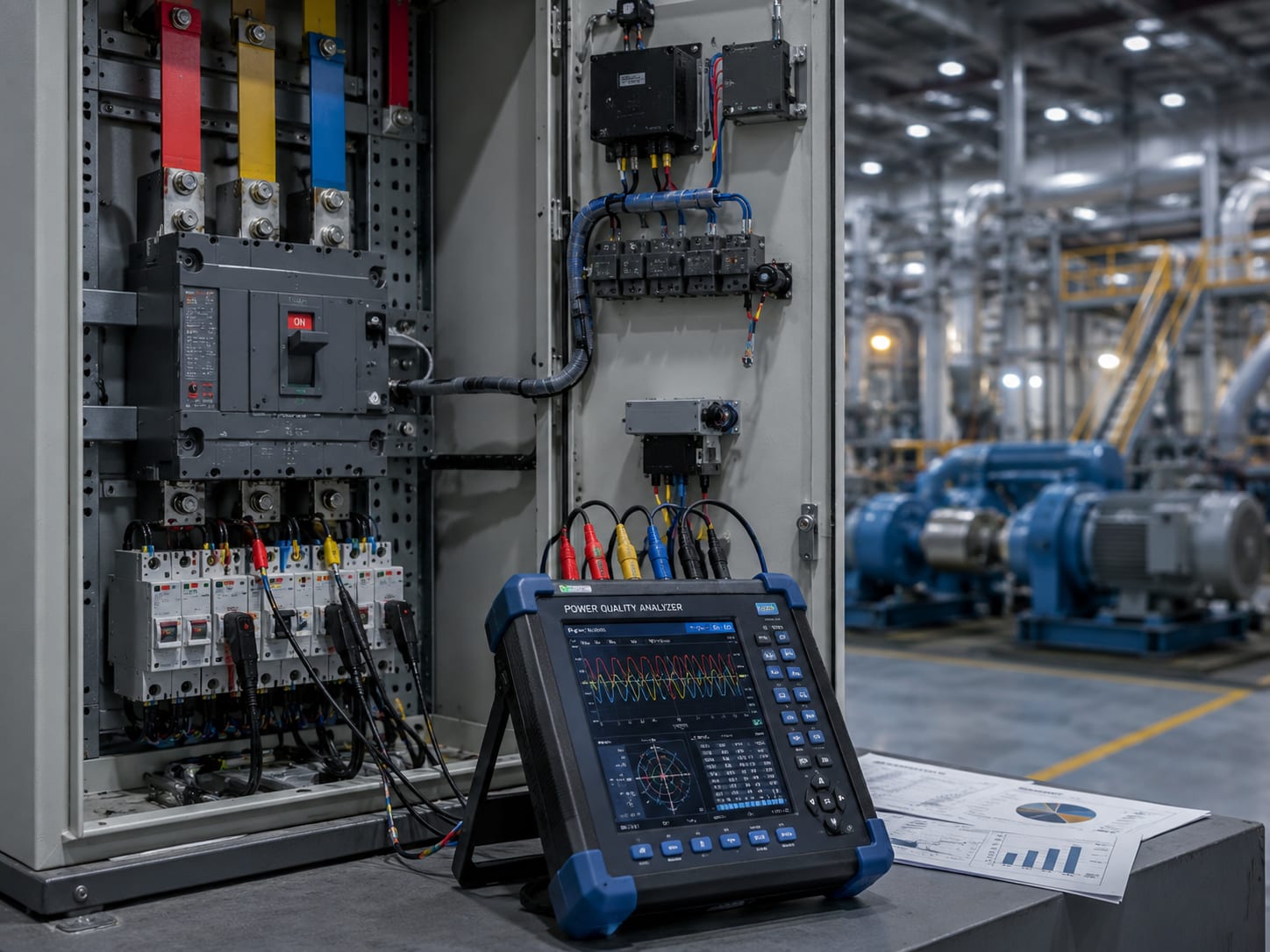
Engineers estimate demand from the connected load using a diversity factor (not all equipment runs at once) and a load factor (how steadily you use power). Over-estimating inflates fixed charges; under-estimating risks penalties and tripping. Accurate assessment, ideally validated against metered data, is the foundation of optimisation.
3. The Penalties for Getting It Wrong
| Problem | Financial Impact |
|---|---|
| Exceeding contract demand | Penalty charges, often a multiple of the normal demand rate, on the excess. |
| Low power factor | Separate PF penalties added to the bill. |
| Over-contracted demand | Paying fixed demand charges every month for capacity you never use. |
4. How to Optimise
- Demand management: stagger heavy loads and use controls to flatten peaks so the same work needs a lower contracted demand.
- Power factor correction: raising PF reduces the kVA demand you are billed for.
- Peak shaving with storage or solar: batteries or captive solar shave the highest peaks, allowing a lower contract demand.
- Right-size the contract: review metered MD data and renegotiate the contract demand to match reality.
5. Revising Your Sanction
When you genuinely need more capacity, for an expansion, apply to the utility to enhance sanctioned load with the supporting load schedule. Where you have over-contracted, you can usually apply to reduce contract demand and cut fixed charges. Both benefit from a proper engineering load study.
Conclusion
Load sanctioning is not paperwork: it is a lever on your electricity bill. Right-sizing and optimising demand frees up real money every month.
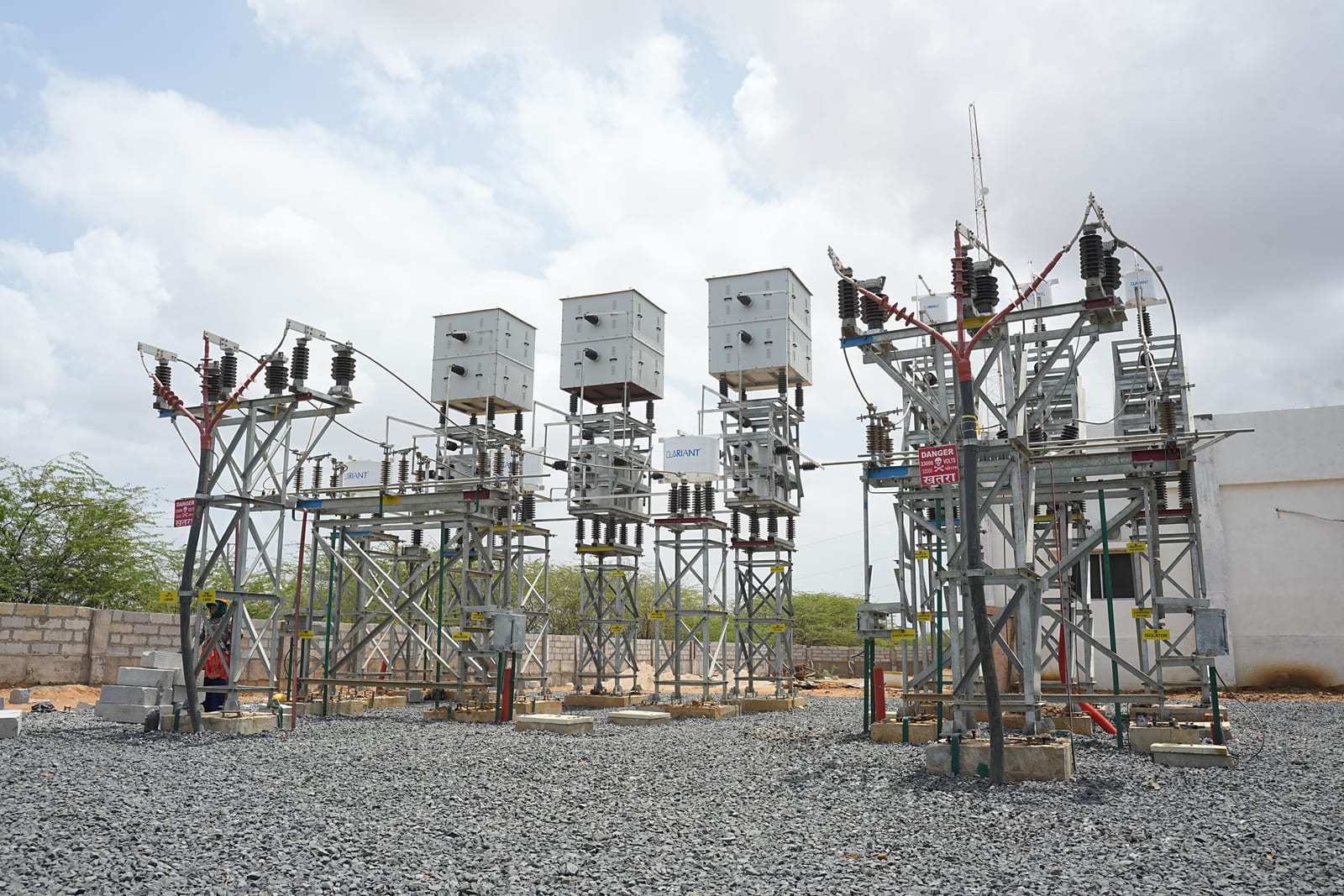
As a turnkey high-voltage EPC, Volcur handles the side of this work that delivers the power itself: the high-voltage connection, substation, and the statutory approvals that bring a sanctioned load online for large industrial and commercial sites across Gujarat.
Frequently asked questions
What is the difference between sanctioned load and contract demand?
Sanctioned load is the total connected capacity the utility approves; contract demand is the maximum you agree to draw at once and drives your fixed demand charges.
How can I reduce my maximum demand charges?
Flatten peaks through load scheduling, correct power factor, and use peak shaving via solar or battery storage, then right-size your contract demand to the real peak.
Can I reduce my contract demand if I over-estimated it?
Yes. If metered data shows you consistently draw far below your contract demand, you can usually apply to the utility to lower it and reduce fixed charges.