Industry
How heavy industrial electrification lifts plant efficiency
Power factor, harmonics, high-efficiency motors and energy monitoring: where electrification cuts a plant energy cost and downtime.
Volcur Engineering
6 min read
Energy is one of the largest controllable costs in heavy manufacturing, and the way a plant is electrified determines how much of that energy actually turns into useful output. Smart electrification, the right voltage architecture, efficient motors and drives, clean power, and continuous monitoring, directly lifts throughput, lowers cost per unit, and reduces unplanned downtime.
This article maps the levers that translate electrical design into plant efficiency.
1. The Electrification Shift
Modern plants are electrifying processes that once relied on fuel or compressed air, from electric heating and induction to electrified material handling. Done well, electrification improves controllability and efficiency; done poorly, it simply raises the electricity bill. The difference lies in the supporting electrical infrastructure.
2. Power Factor & Harmonics
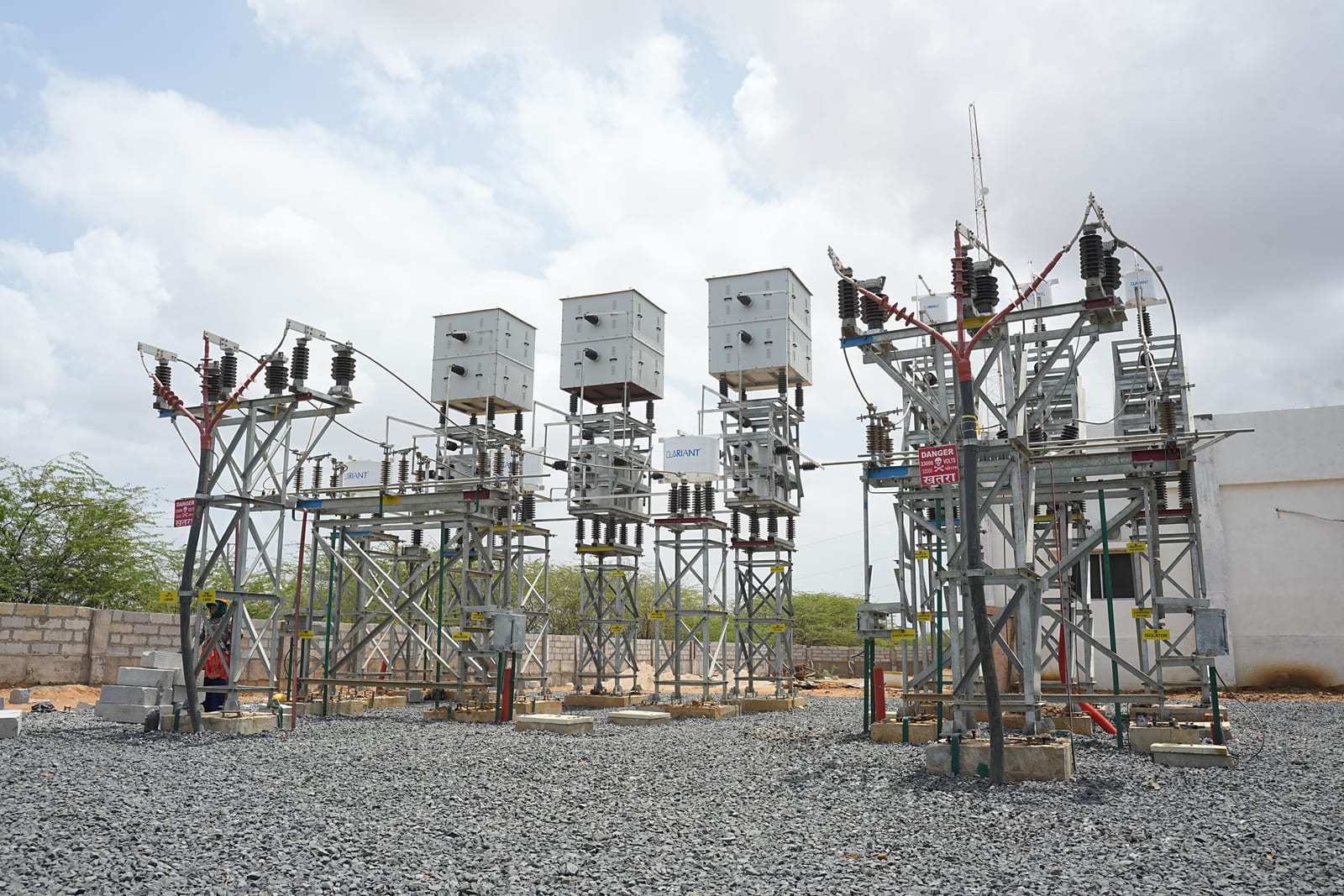
- Power factor correction: capacitor banks and automatic PF controllers (APFC) cut reactive demand, avoid utility penalties, and free up transformer capacity.
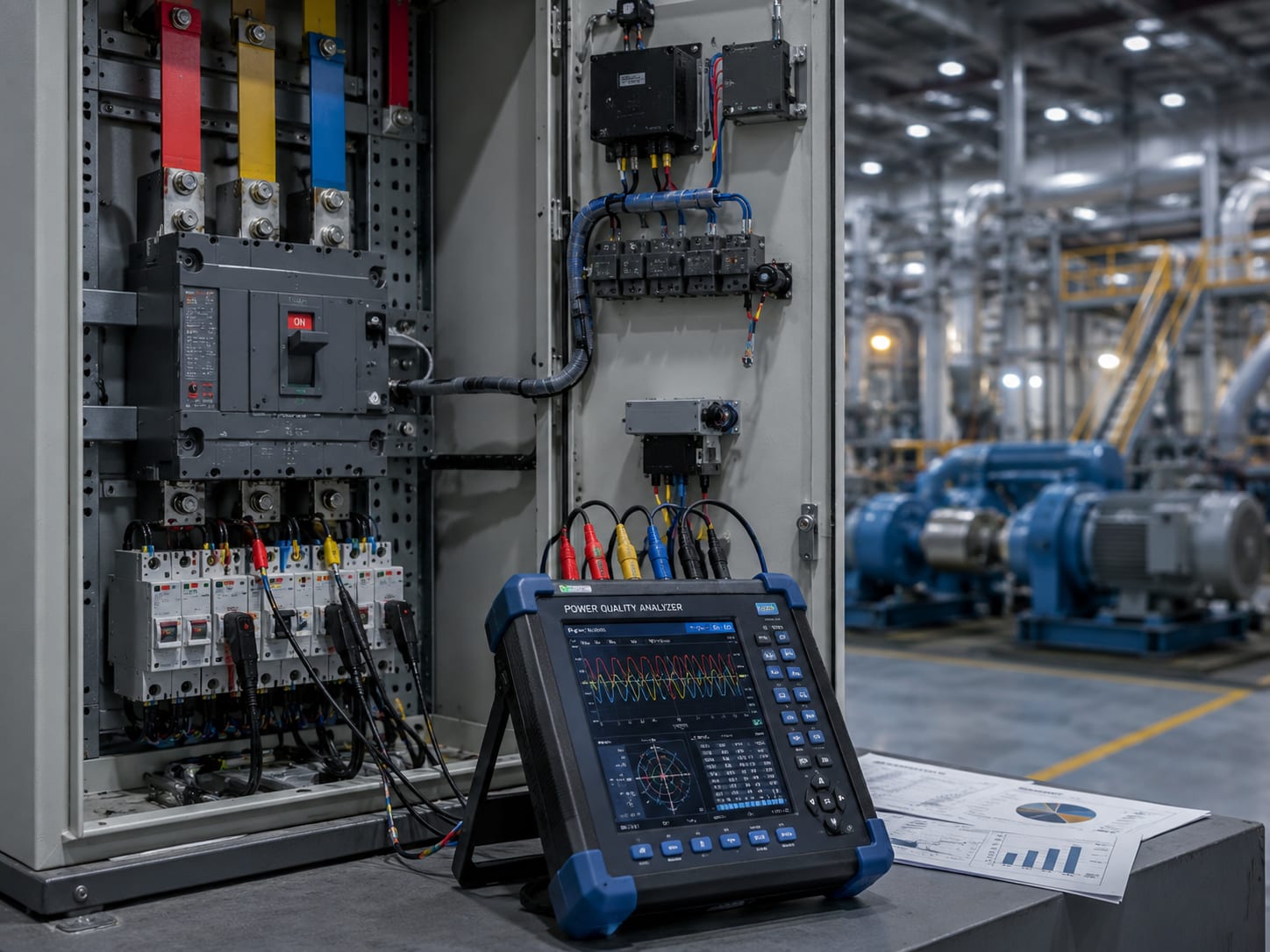
- Harmonic mitigation: VFDs and rectifiers distort the current waveform; active or passive filters protect equipment and reduce losses.
3. High-Efficiency Motors & Drives
Motors consume the majority of industrial electricity, so motor and drive choices dominate efficiency.
- IE3 / IE4 motors: premium- and super-premium-efficiency motors pay back quickly in high-runtime applications.
- Variable frequency drives (VFDs): matching motor speed to actual demand on pumps and fans can cut their energy use substantially.
4. Energy Monitoring & Management
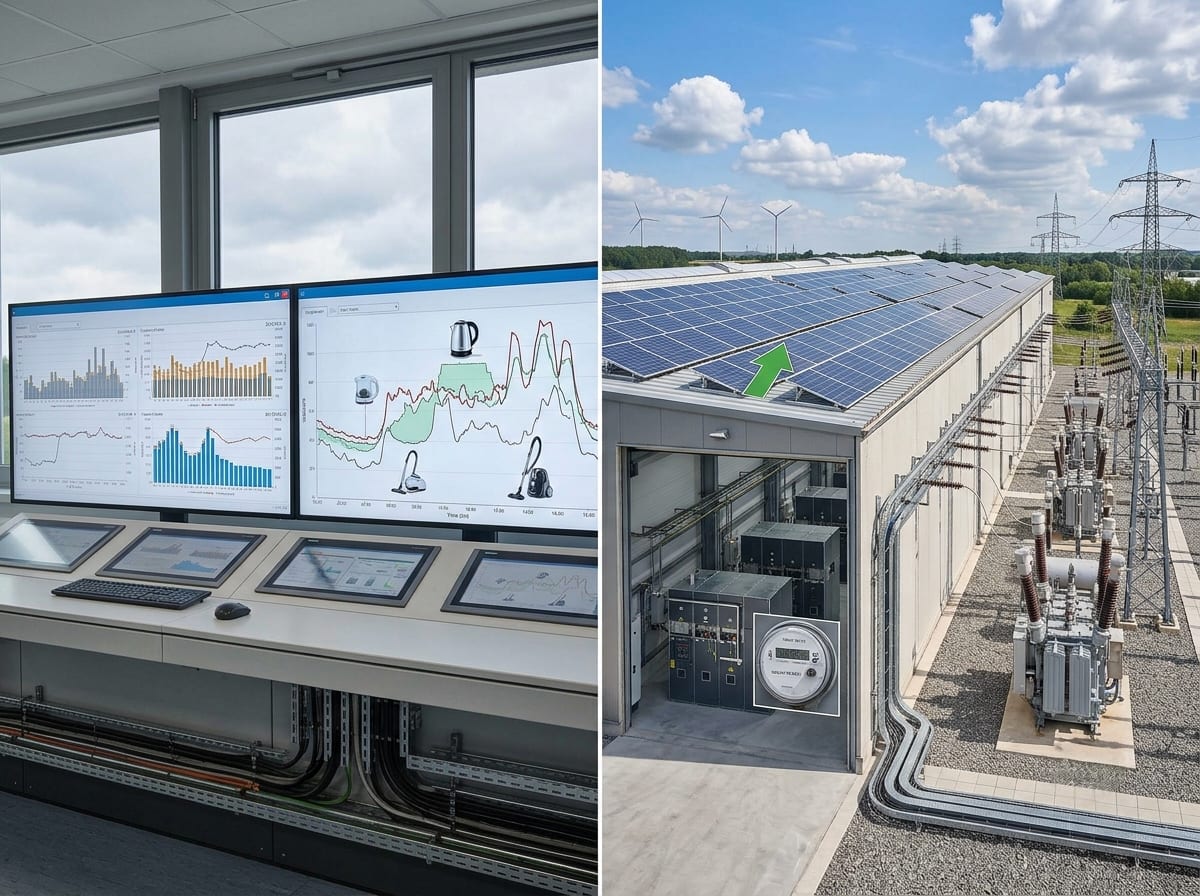
You cannot improve what you do not measure. An energy management system (EMS) with sub-metering reveals where energy is wasted, flags abnormal consumption, and supports ISO 50001-style continuous improvement.
5. Reliability Drives Efficiency Too
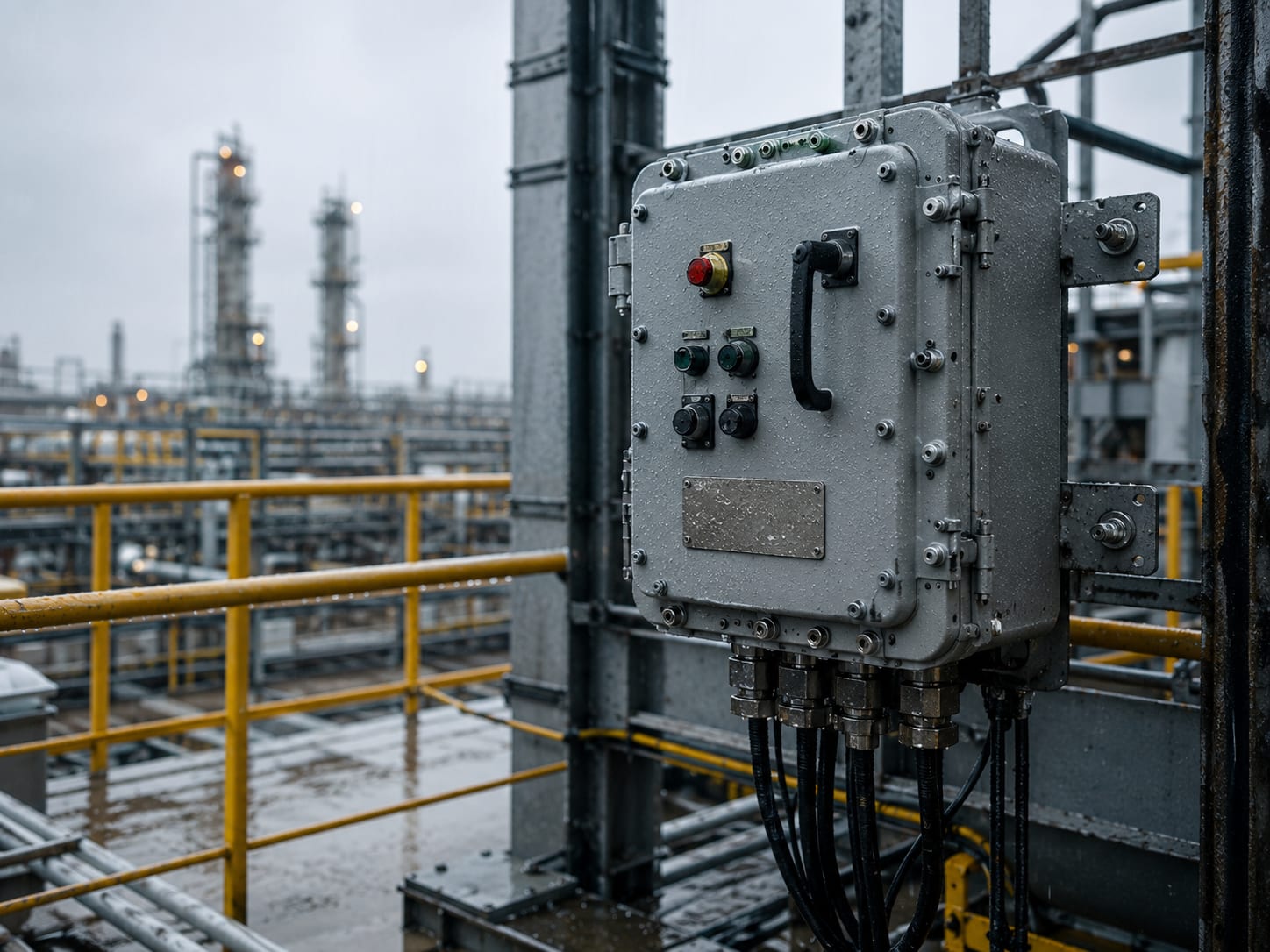
Every unplanned trip wastes energy on restarts, scraps in-process material, and erodes output. Reliable distribution, redundancy, and protection are efficiency measures, not just safety ones.
Conclusion
Industrial electrification is an efficiency strategy when the supporting infrastructure, clean power, efficient motors, and monitoring, is engineered deliberately.
Volcur helps manufacturers by building the reliable high-voltage substations and grid connections their plants depend on.
Frequently asked questions
How does power factor affect my electricity bill?
A low power factor means you draw more current for the same useful power, which utilities penalise. Correcting it avoids penalties and frees up capacity in your transformers and cables.
Are IE4 motors worth the higher cost?
In high-runtime applications, the energy savings from IE3/IE4 motors typically repay the premium within a couple of years, after which the savings are pure benefit.
What is an energy management system?
An EMS combines metering, software, and analytics to track energy use in real time, identify waste, and support structured efficiency improvements across a plant.