Transmission
Grid connectivity for utility-scale solar, step by step
Feasibility, connectivity application, bay allotment, CEIG and metering: the approval path to energise a utility-scale solar plant.
Volcur Engineering
7 min read
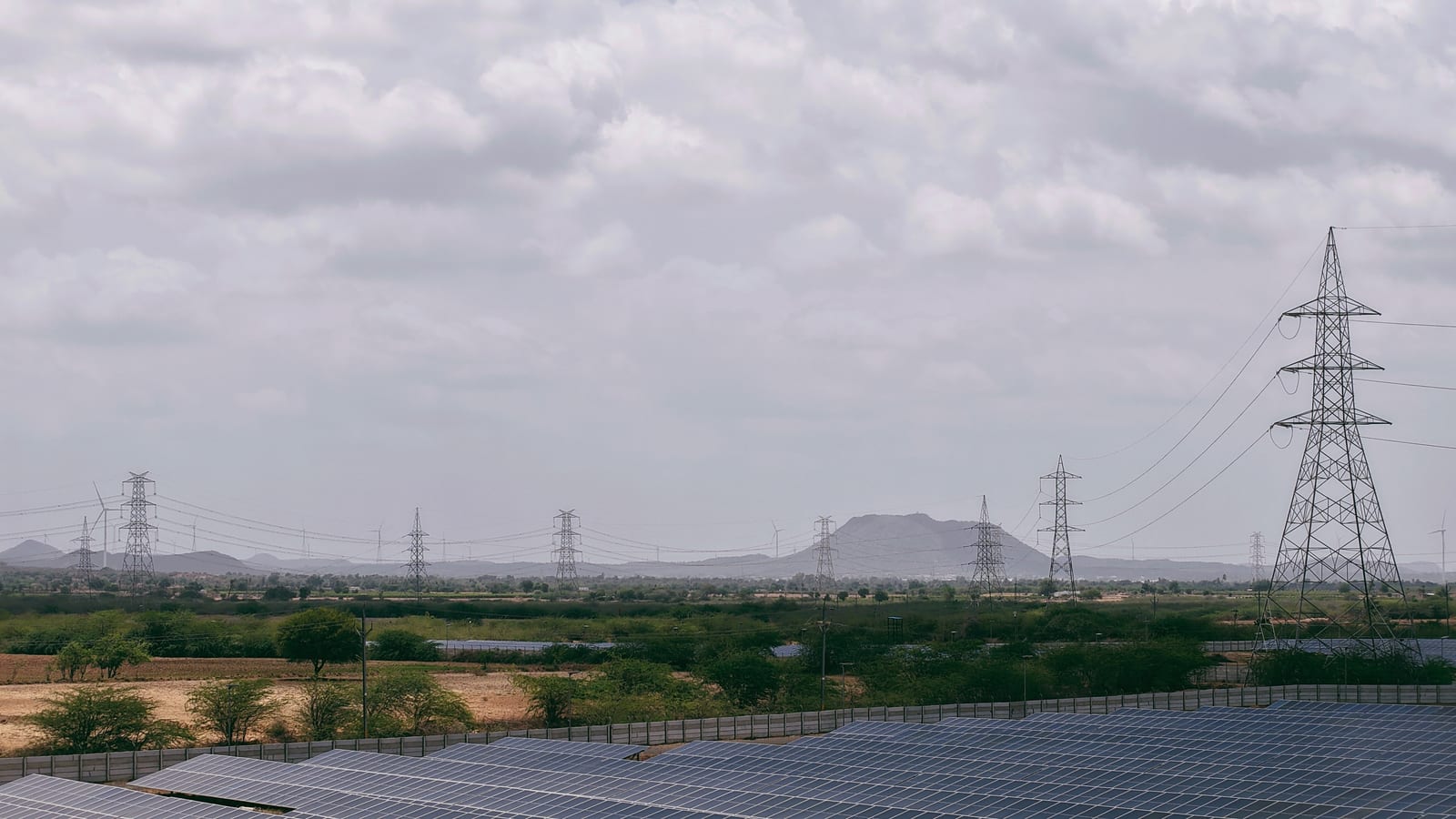
A utility-scale solar plant earns nothing until it is connected to the grid and cleared to export, and the connectivity approval process is where many projects lose months. Between the state transmission utility, the electrical inspectorate, and the metering and commissioning formalities, the paperwork and engineering are substantial. Knowing the sequence in advance is the difference between a smooth energisation and a stalled asset.
This guide lays out the typical step-by-step path to grid connectivity for a utility-scale solar project in India. (Exact procedures vary by state. For Gujarat projects, the state transmission utility GETCO administers connectivity, so always confirm the current state-specific process.)
Step 1: Feasibility & Connectivity Planning
Identify the nearest suitable substation and voltage level, assess available bay capacity and evacuation headroom, and confirm the point of interconnection. A connectivity feasibility study de-risks the whole project.
Step 2: Connectivity Application
- Apply to the STU/CTU: submit the connectivity application to the state (or central) transmission utility with project details and the connectivity charge/bank guarantee.
- Grant of connectivity: the utility evaluates network capacity and grants connectivity at the identified substation.
Step 3: Bay Allotment & Interconnection Design
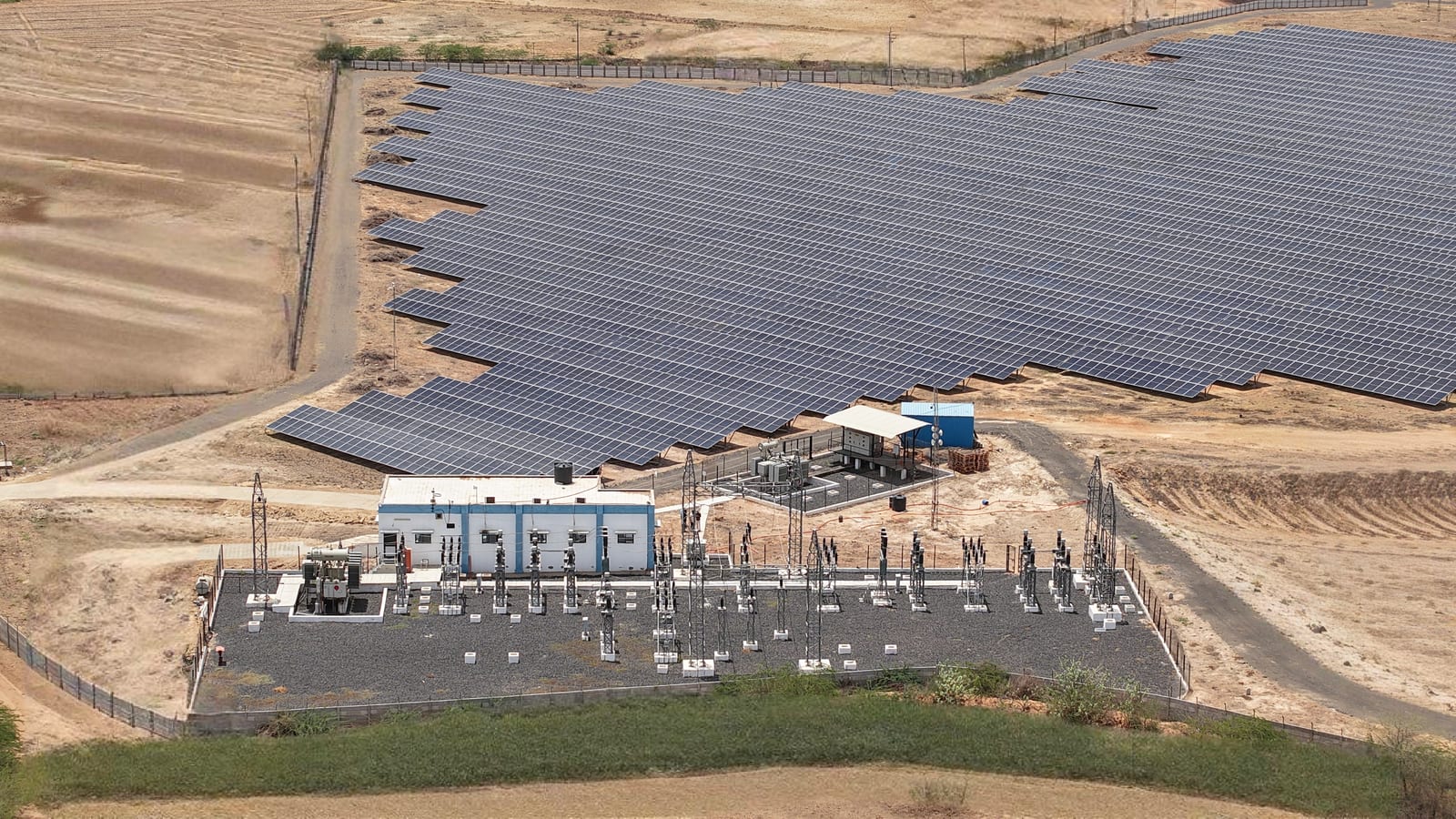
A dedicated bay is allotted at the substation, and the interconnection of line, metering, and protection is designed to grid-code and CEA technical standards, including the required simulations at the point of interconnection.
Step 4: Electrical Inspectorate (CEIG) Approval
The installation, covering the switchyard, transformers, protection, and earthing, must be inspected and approved by the Chief Electrical Inspector to Government (CEIG) before energisation. Complete, accurate drawings and test reports are essential to clear this step without re-inspection.
Step 5: Metering, Testing & Commissioning
- Metering: install ABT-compliant main and check meters at the interconnection.
- Testing: complete protection, communication, and grid-compliance testing.
- Commissioning & charging: energise in a staged sequence and obtain the commissioning certificate.
Common Causes of Delay
- Incomplete documentation: drawings and test reports that do not match site reality trigger re-inspection.
- Evacuation constraints: limited substation or line capacity can hold up connectivity.
- Sequencing errors: starting CEIG or metering steps too late stalls energisation.
Conclusion
Grid connectivity is a sequence, not a single approval. Planning feasibility, connectivity, CEIG, and metering in the right order is what gets a solar plant exporting on schedule.
Volcur manages the full grid-connectivity and commissioning process for utility-scale solar projects.
Frequently asked questions
What is the point of interconnection?
It is the defined electrical boundary where the solar plant connects to the grid, where metering sits and where grid-compliance requirements are assessed.
What is CEIG approval?
CEIG (Chief Electrical Inspector to Government) approval is the statutory electrical inspection and clearance an installation needs before it can be energised.
How long does solar grid connectivity take?
It varies by state, network capacity, and documentation quality, commonly several months from connectivity application to commissioning, with evacuation capacity often the critical factor.