Transmission
Integrating large solar power packs into an industrial grid
Grid-tie vs behind-the-meter, protection and anti-islanding, approvals and storage: a technical guide to captive solar integration.
Volcur Engineering
7 min read
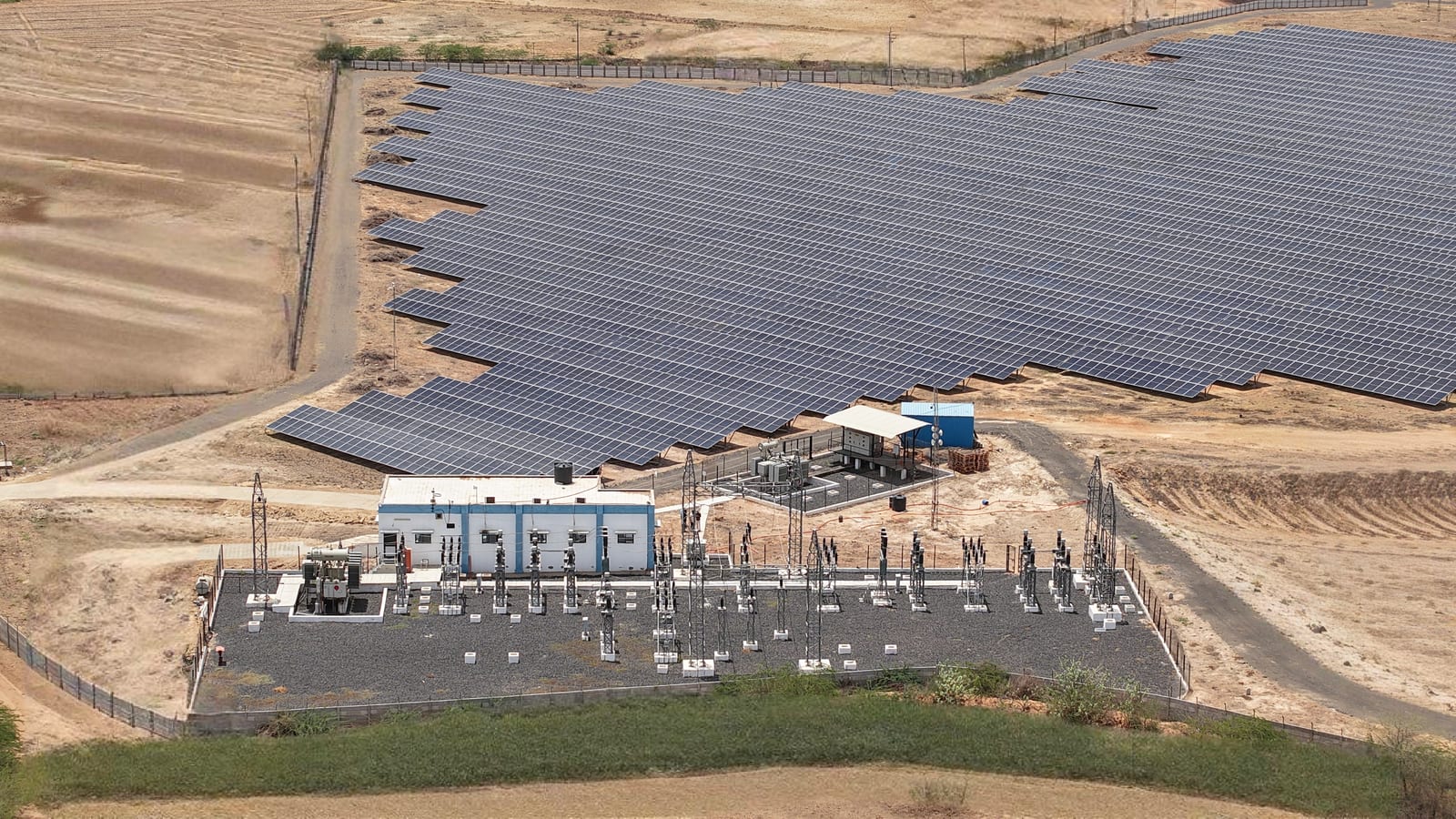
Captive solar is one of the most reliable ways for an industrial plant to cut energy cost and carbon at the same time. But bolting a multi-megawatt solar plant onto a live industrial grid is an engineering exercise, not a plug-and-play installation. Protection, synchronisation, power quality, and statutory approvals all have to be handled correctly for the system to be safe, compliant, and bankable.
This guide walks through the technical decisions behind successful solar integration.
1. Why Captive Solar
- Lower energy cost: self-generated solar typically costs less per unit than grid power for industrial tariffs.
- Carbon reduction: direct progress toward sustainability and ESG commitments.
- Hedge against tariff rises: captive generation reduces exposure to future tariff increases.
2. Integration Models
| Model | How It Works |
|---|---|
| Behind-the-meter (captive) | Solar feeds plant loads directly, reducing grid import; surplus may export if permitted. |
| Net / gross metering | Bi-directional metering credits exported energy against imports, subject to state policy. |
| Open access / third-party | Power is wheeled from an off-site plant through the grid under open-access rules. |
3. The Technical Core
- Grid-tie inverters & synchronisation: inverters must match grid voltage, frequency, and phase, and ride through disturbances per grid code.
- Protection & anti-islanding: relays disconnect the solar plant if the grid fails, so it never energises a dead line, protecting utility crews.
- Power quality: inverter harmonics and voltage rise must stay within limits at the point of connection.
4. Approvals & Compliance
Large solar integration needs electrical inspectorate (CEIG) approval for the installation, plus DISCOM/utility approval and a metering or connection agreement under the applicable net-metering or open-access regulations. Compliance with the CEA technical standards for connectivity is mandatory, and getting documentation right early avoids commissioning delays.
5. Pairing with Storage
Adding a battery energy storage system lets a plant store midday solar surplus for use during evening peaks, smooth output, and shave demand charges. With current Indian policy actively encouraging storage paired with renewables, solar-plus-storage is increasingly the default design for large captive systems.
Conclusion
Solar integration delivers savings only when protection, synchronisation, power quality, and approvals are engineered correctly from the start.
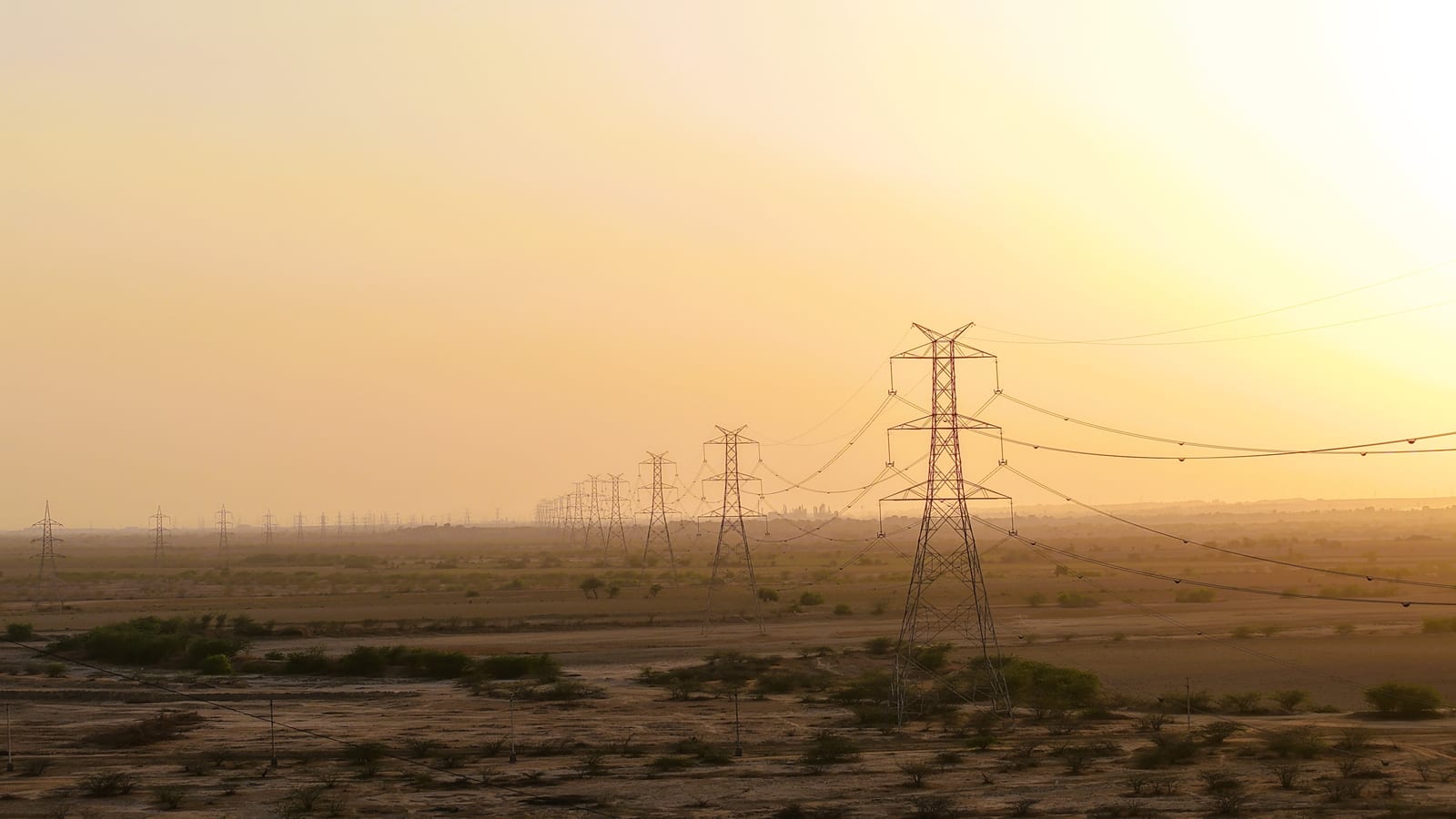
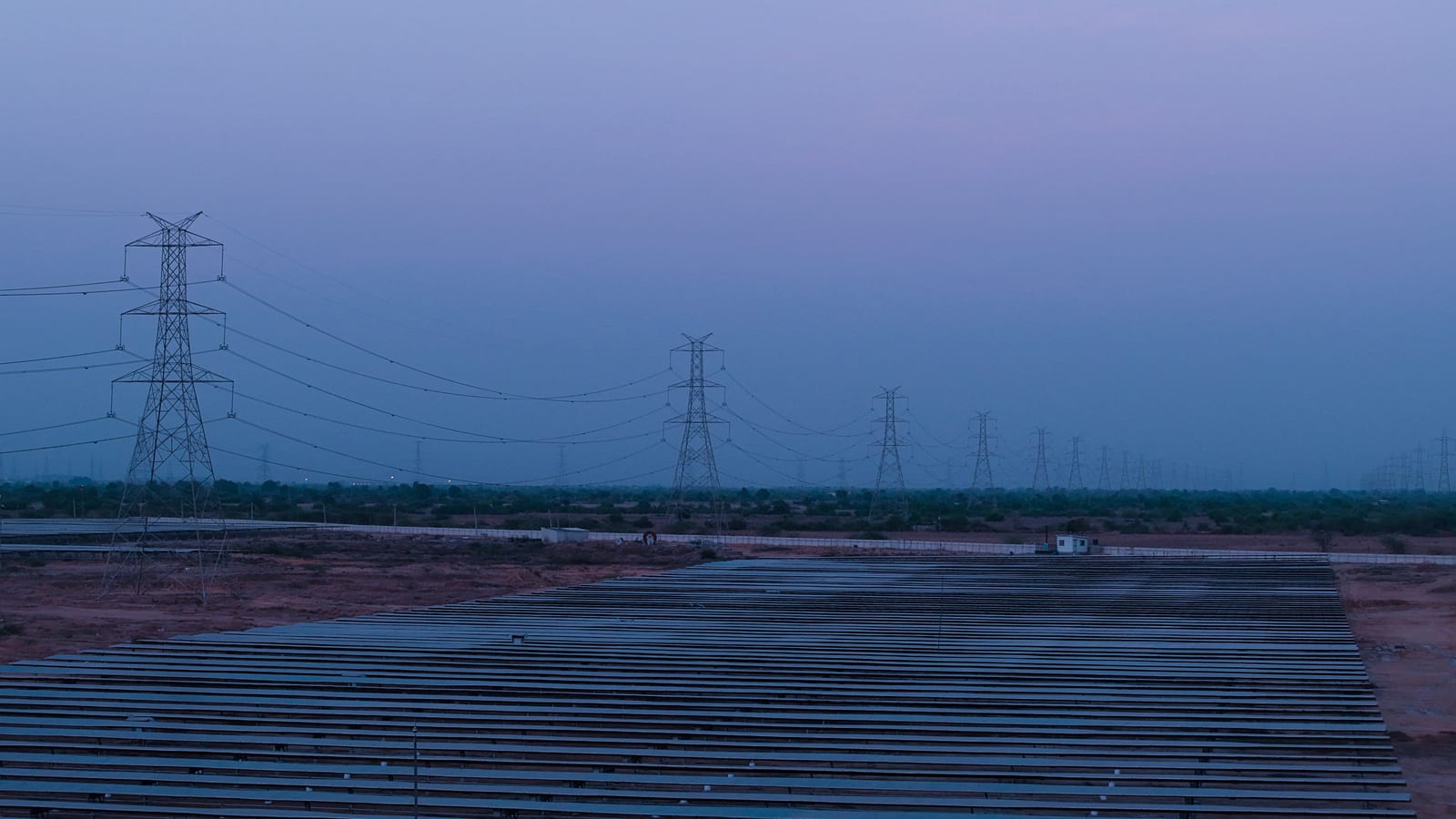
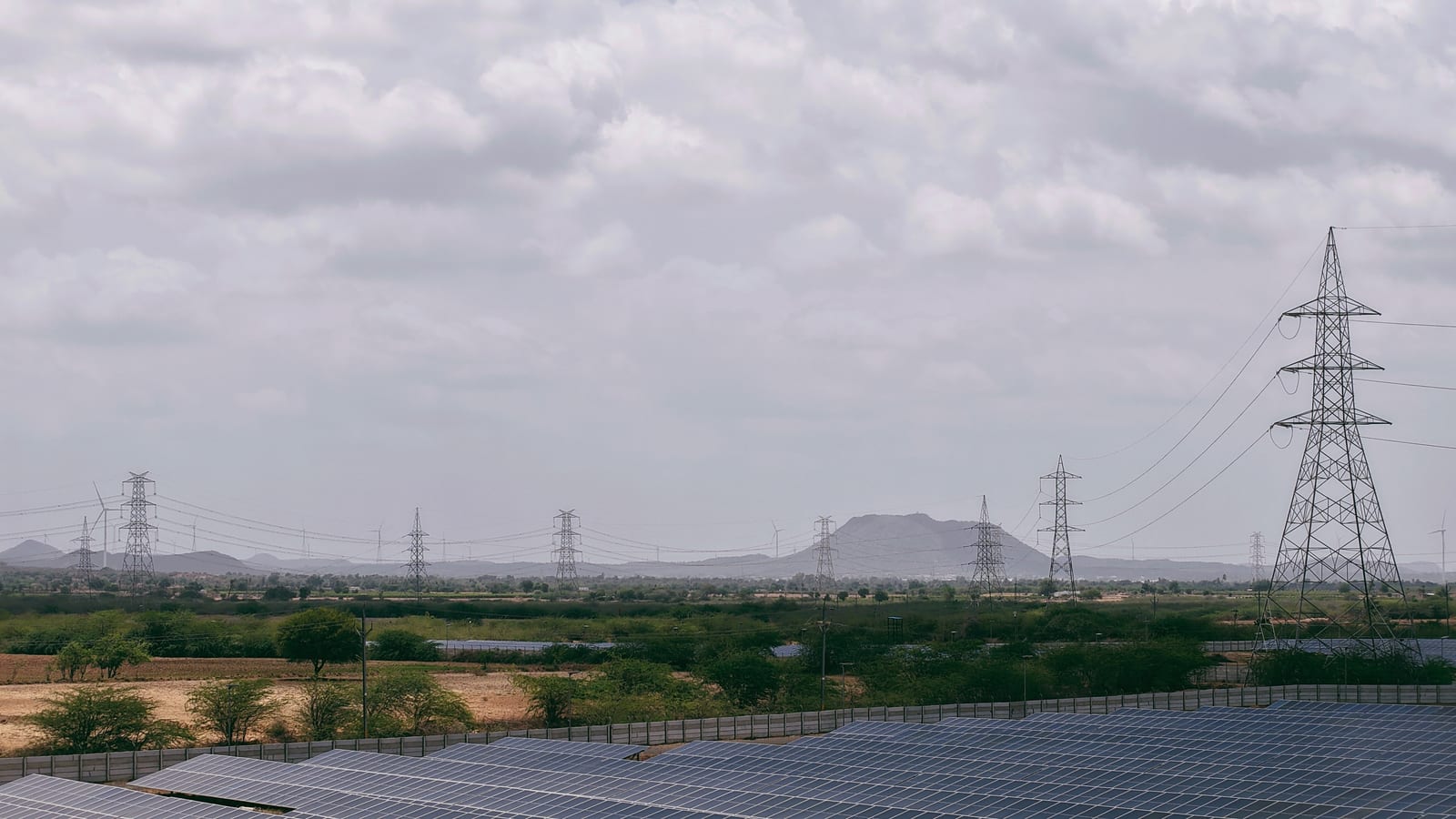
As a turnkey high-voltage EPC, Volcur builds the grid-interconnection and evacuation side of solar: the pooling substations, protection, and transmission lines that carry solar power into the industrial and utility grid.
Frequently asked questions
What is anti-islanding protection?
It is protection that automatically disconnects a solar plant if the grid supply fails, preventing the solar system from dangerously energising a line that utility crews believe is dead.
Do I need approval to add solar to my industrial grid?
Yes. Large installations require electrical inspectorate (CEIG) approval and DISCOM/utility approval, along with a metering or connection agreement under the applicable state policy.
Should I add a battery to my captive solar plant?
Pairing storage lets you shift solar surplus to evening peaks and shave demand charges. With supportive policy, solar-plus-storage is increasingly the standard for large captive systems.