Transmission
How smart grid technology cuts T&D losses
Smart meters, SCADA and automation: how a smarter grid trims transmission and distribution losses, and what it means for industry.
Volcur Engineering
6 min read
Every unit of electricity lost between the generator and the meter is energy paid for but never sold, and India loses far more than the global benchmark. While the world's best grids run T&D losses around 6 to 8 percent, India's aggregate technical and commercial (AT&C) losses, though much improved, were about 16 percent in FY25, against a national target of 12 to 15 percent. Smart grid technology is central to closing that gap.
This article explains how smart grids cut losses and why it matters even to large industrial consumers.
1. Technical vs Commercial Losses
- Technical losses: physical losses in conductors, transformers, and joints, reduced by better equipment and network design.
- Commercial losses: theft, metering errors, and unbilled energy, reduced by metering, monitoring, and accountability. AT&C losses combine both.
2. The Smart Grid Toolkit
| Technology | How It Cuts Losses |
|---|---|
| Smart / prepaid meters | Accurate, tamper-evident billing reduces commercial losses and theft. |
| SCADA & ADMS | Real-time visibility and control optimise loading and isolate faults fast. |
| Fault passage indicators & RMUs | Locate and section faults quickly, reducing outage duration and losses. |
| Distribution automation | Automated switching balances loads and minimises technical losses. |
3. How Each Layer Helps
- Visibility: you cannot reduce what you cannot see; smart metering and SCADA expose where losses occur.
- Speed: automated fault detection and switching cut the duration and spread of disturbances.
- Balance: optimised loading and reactive-power management reduce heating losses in the network.
4. The Policy Push
India's distribution reform programmes prioritise prepaid smart metering, feeder segregation, and network upgrades precisely because they attack AT&C losses. Funding is tied to measured loss reduction, accelerating smart-grid adoption across utilities.
5. Why Industrial Users Should Care
Lower system losses support more stable voltage and fewer disturbances at your connection point, and the same smart technologies, sub-metering, monitoring, and automation, cut losses and improve reliability inside your own plant network.
Conclusion
Smart grid technology is the most effective lever India has for closing its loss gap, and the same tools deliver efficiency and reliability inside industrial networks.
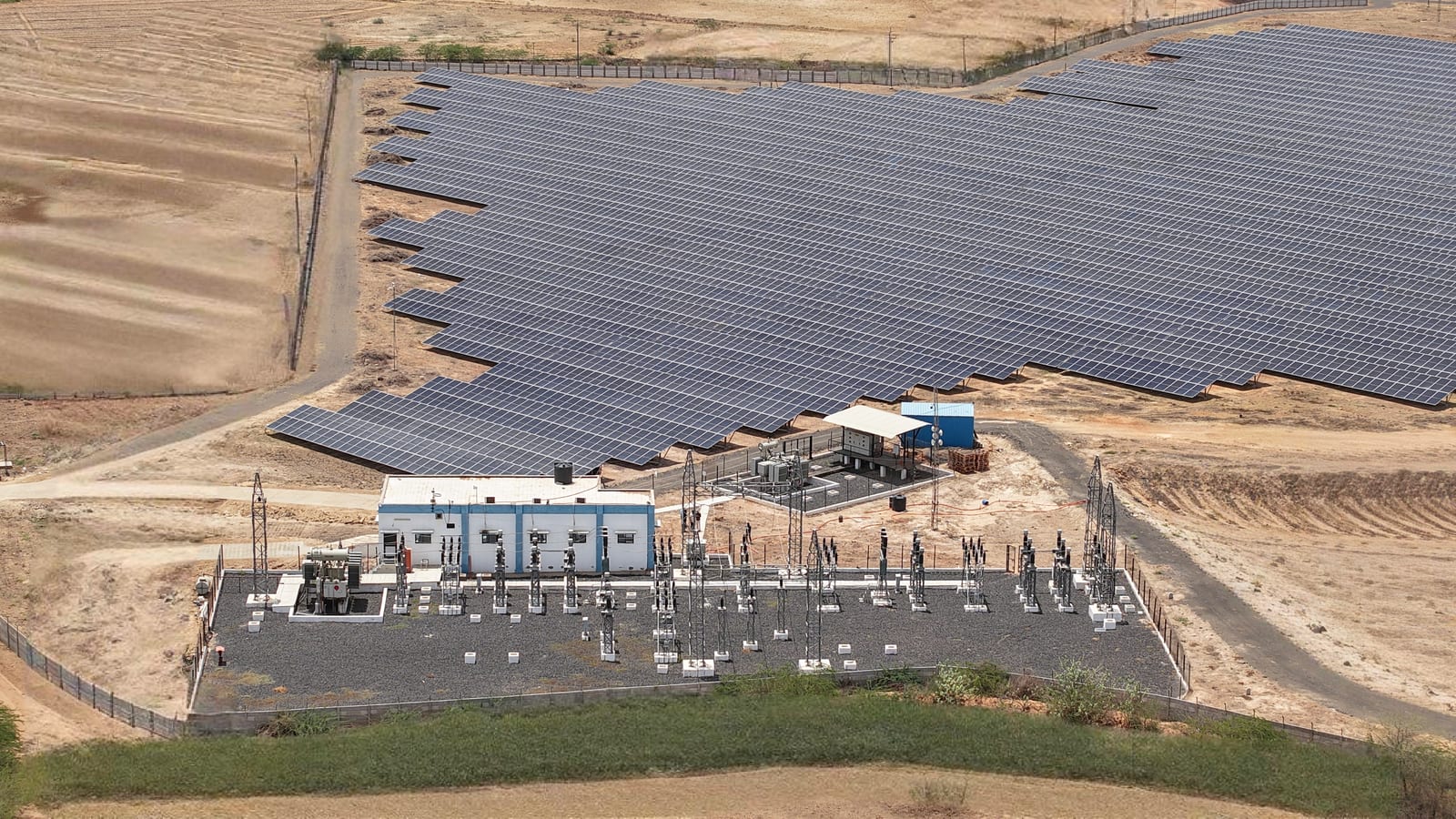
Volcur builds and maintains the high-voltage substations and lines this smarter grid runs on, energised with full protection and SCADA visibility so utilities and large industrial consumers have a reliable, observable backbone to connect into.
Frequently asked questions
What is the difference between T&D losses and AT&C losses?
T&D losses are the physical and technical losses in the network; AT&C losses additionally include commercial losses such as theft and unbilled energy, giving a fuller picture of utility performance.
How do smart meters reduce losses?
Smart and prepaid meters provide accurate, tamper-evident billing and consumption data, sharply reducing commercial losses and revealing where technical losses occur.
Can smart grid technology help my factory?
Yes. Sub-metering, monitoring, and automation inside a plant reduce internal losses, improve reliability, and reveal opportunities to cut energy cost.