Industry
Sustainable electrical engineering that lowers running cost
Efficiency, solar, storage, SF6-free gear and LED: how greener electrical design cuts both carbon and operating cost.
Volcur Engineering
5 min read
Sustainability and cost savings are often framed as opposites. In electrical engineering, they are usually the same thing. Almost every measure that cuts a facility's carbon footprint - using less energy, generating it cleanly, wasting less in the network - also lowers the electricity bill. Done strategically, sustainable electrical engineering is one of the most reliable routes to lower long-term operating costs.
This article maps the levers that reduce both carbon and opex, and how to measure the impact.
1. The Business Case
Energy is a large, recurring cost. Reducing consumption and shifting to cleaner, self-generated power compounds savings year after year, while improving ESG performance, satisfying customer and investor expectations, and hedging against rising tariffs and future carbon costs.
2. The Core Levers
| Lever | Cost and Carbon Impact |
|---|---|
| Energy efficiency | Efficient motors, VFDs, and LED lighting cut consumption directly. |
| Power factor and harmonics | Removing penalties and losses lowers cost and improves capacity. |
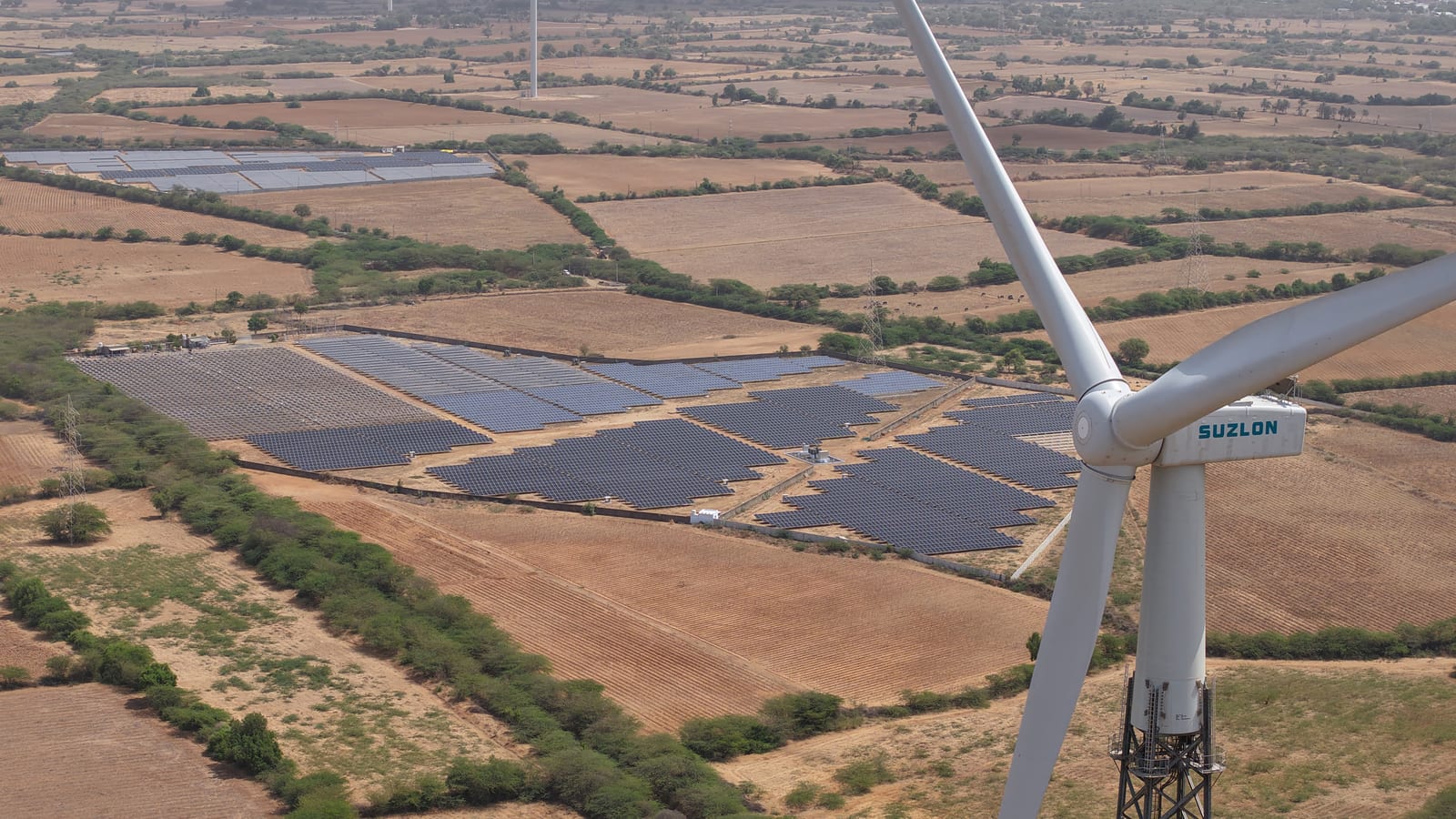
| Captive solar | Cheaper, cleaner self-generated power. |
| Battery storage | Shifts cheap/clean energy to peaks, cutting demand charges. |
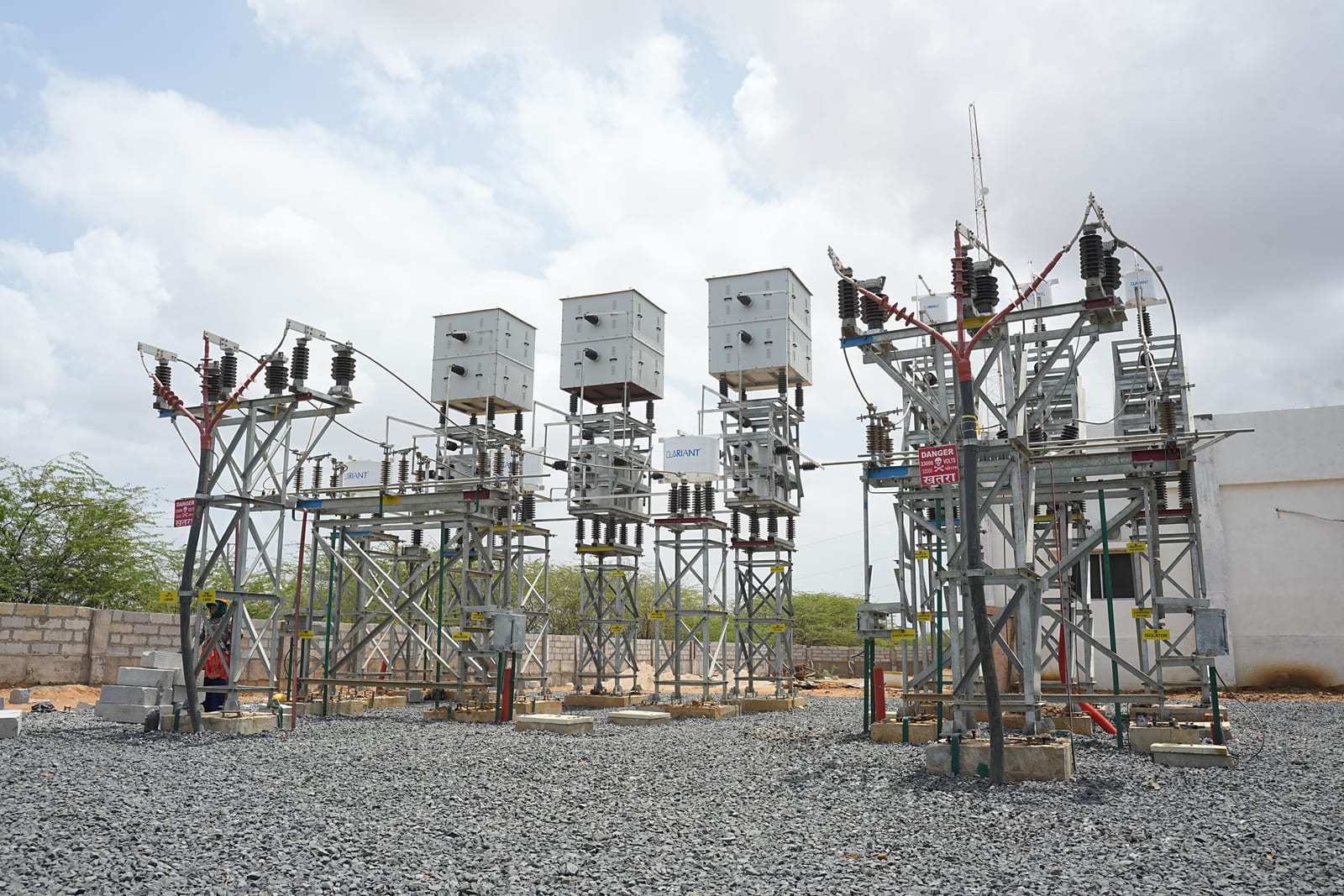
| SF6-free switchgear | Eliminates a potent greenhouse gas from new substations. |
3. Green-Building Power Infrastructure
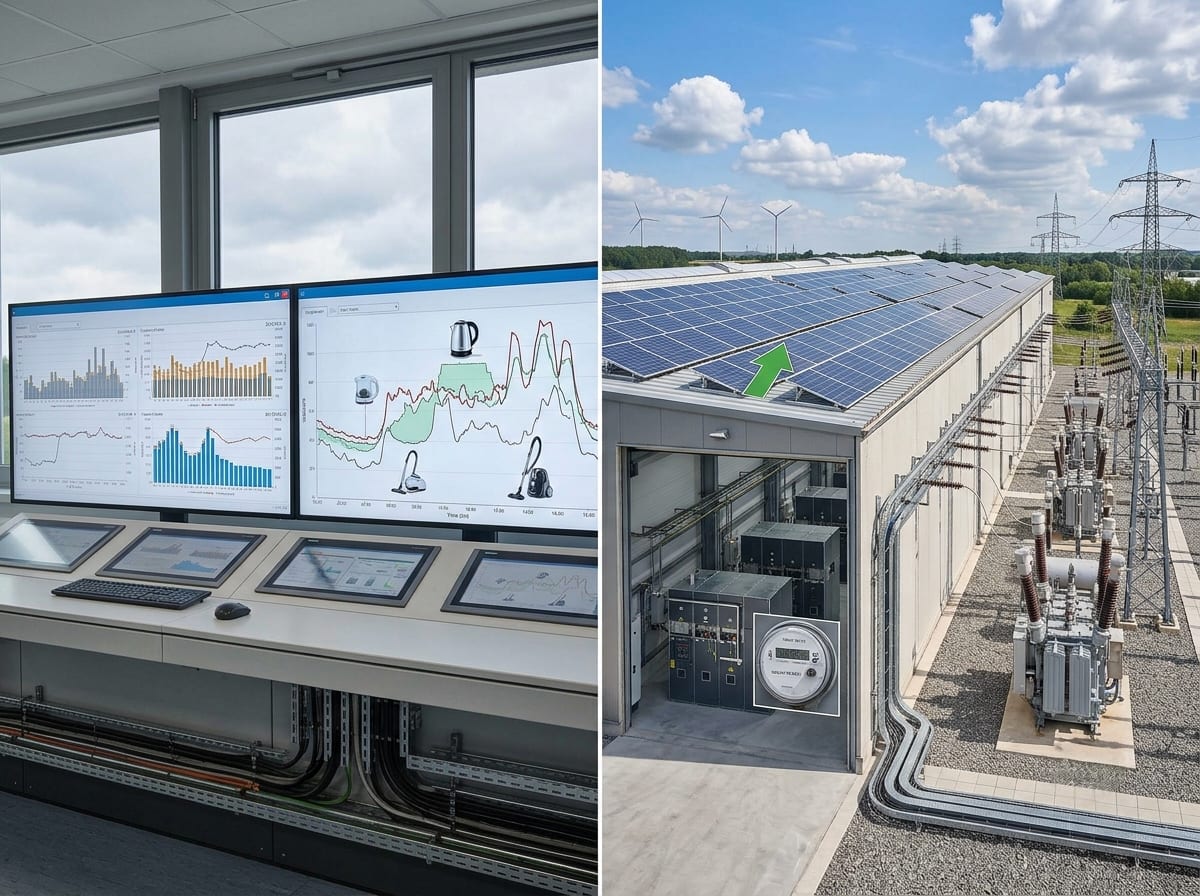
For new facilities, designing to green-building standards - efficient distribution, smart controls, renewable readiness, and metering - locks in low operating costs from day one. Certifications such as IGBC and GRIHA recognise these design choices and can add asset value.
4. Measure to Manage
- Energy audits: establish a baseline and identify the highest-return measures.
- ISO 50001 energy management: embed continuous improvement into operations.
- Carbon accounting: translate energy data into emissions to track and report progress.
5. Prioritising Spend
Not every measure has the same payback. A good sustainability roadmap sequences quick wins (LED, power factor, controls) ahead of larger capital projects (solar, storage), so early savings help fund the next stage. The result is a self-reinforcing programme rather than a single big bet.
Conclusion
Sustainable electrical engineering aligns environmental and financial goals - the same measures that cut carbon cut cost.
Volcur designs and implements sustainability roadmaps that lower both emissions and operating expenses.
Frequently asked questions
Does sustainable electrical engineering really save money?
Yes. Most carbon-reduction measures - efficiency, power-factor correction, solar, storage - also lower the electricity bill, so savings and sustainability move together.
What is ISO 50001?
ISO 50001 is an international standard for energy management systems that helps organisations systematically improve energy performance over time.
Where should a facility start?
Begin with an energy audit to establish a baseline, then sequence quick wins like LED and power-factor correction before larger projects such as solar and storage.