Industry
Vehicle-to-grid (V2G): preparing for the EV era
How bidirectional charging works and how fleets and commercial sites can ready their electrical infrastructure for V2G.
Volcur Engineering
6 min read
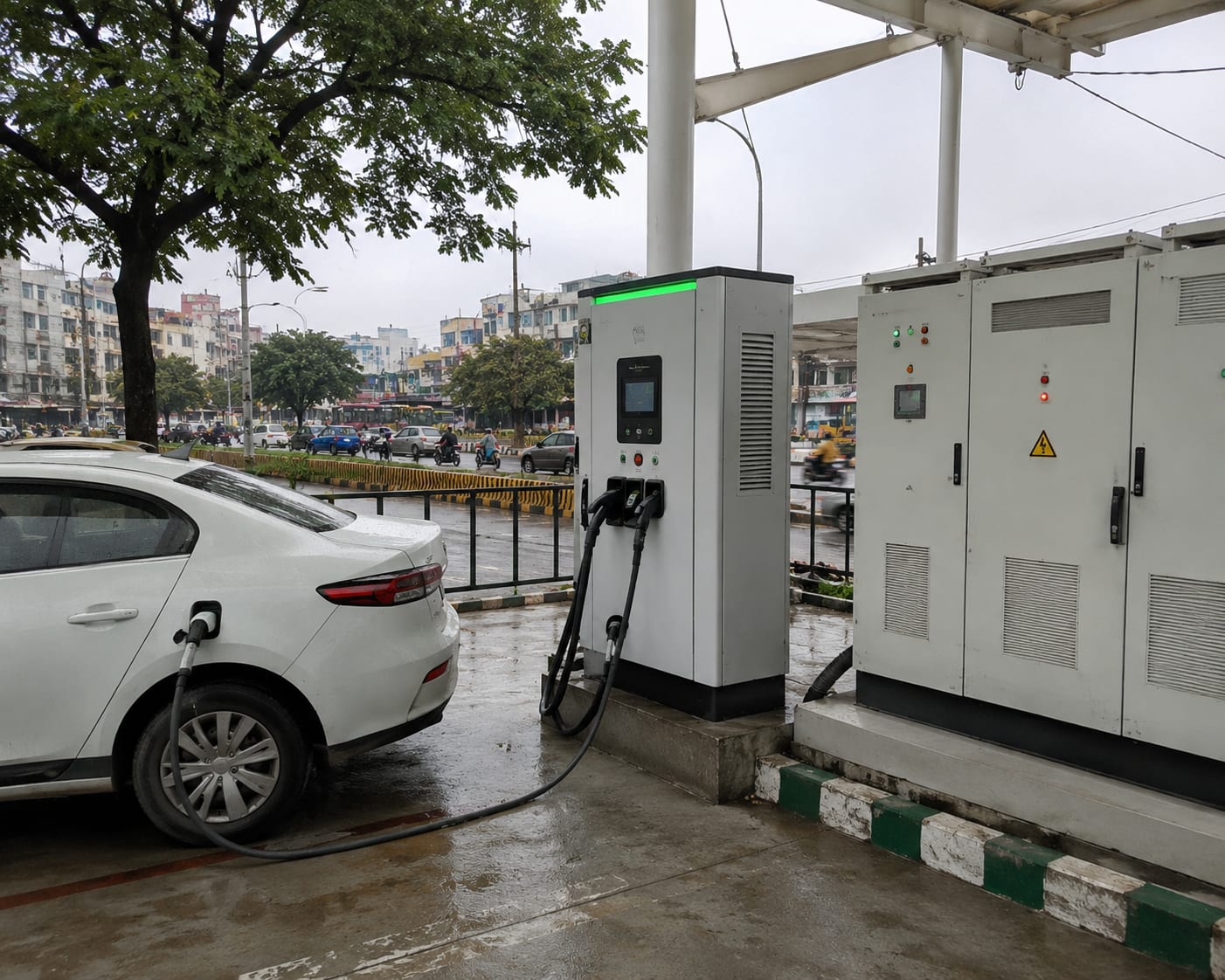
As commercial fleets electrify, their parked vehicles become something far more valuable than transport: a distributed pool of batteries. Vehicle-to-grid (V2G) technology lets electric vehicles not only draw power but feed it back, to the building or the grid, turning a fleet into a flexible energy asset. For businesses building EV infrastructure today, designing with V2G in mind future-proofs a significant investment.
This article explains how V2G works, where it adds value, and how to get the electrical infrastructure ready.
From one-way charging to bidirectional power
- V1G (smart charging): controls when and how fast vehicles charge to match cheap or clean periods, the practical first step.
- V2G (bidirectional): vehicles discharge stored energy back to the building (V2B) or grid (V2G) when it is most valuable.
How V2G works
A bidirectional charger and a compatible vehicle exchange power under the control of an energy management platform or aggregator. The system decides when to charge, hold, or discharge based on tariffs, grid signals, and the fleet's departure schedule, always ensuring vehicles are charged enough for their duty.
Commercial use cases
| Use case | Value |
|---|---|
| Peak shaving | Discharge fleet energy during expensive peak periods to cut demand charges. |
| Backup power | Vehicles support critical loads during outages. |
| Grid services | Aggregated fleets can provide flexibility services where markets allow. |
| Solar shifting | Store midday solar in vehicles for evening use. |
The India context
V2G in India is at an early stage: pilots, standards work, and supportive EV policy are developing, but widespread commercial V2G is still emerging. The pragmatic move now is to deploy smart (V1G) charging and lay the electrical groundwork so adding bidirectional capability later is straightforward rather than a rebuild.
Getting the infrastructure ready
- Adequate capacity & connection: size the supply and transformer for future fast and bidirectional charging.
- Smart, upgradable hardware: choose chargers and controls that support V1G now and V2G later.
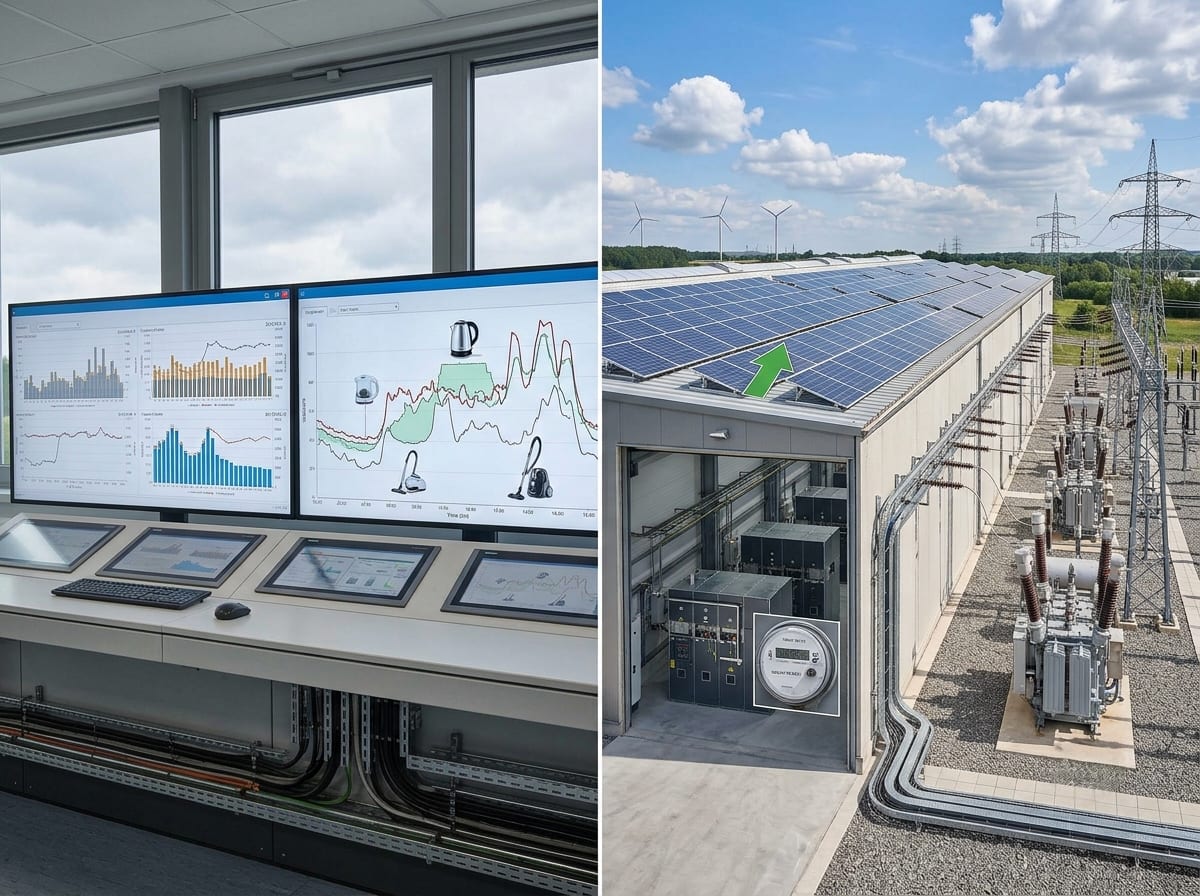
- Metering & management: integrate an energy management platform to control charging and, eventually, discharge.
Conclusion
V2G turns electrified fleets into energy assets. Even before it is widespread, building V2G-ready infrastructure protects today's EV investment.
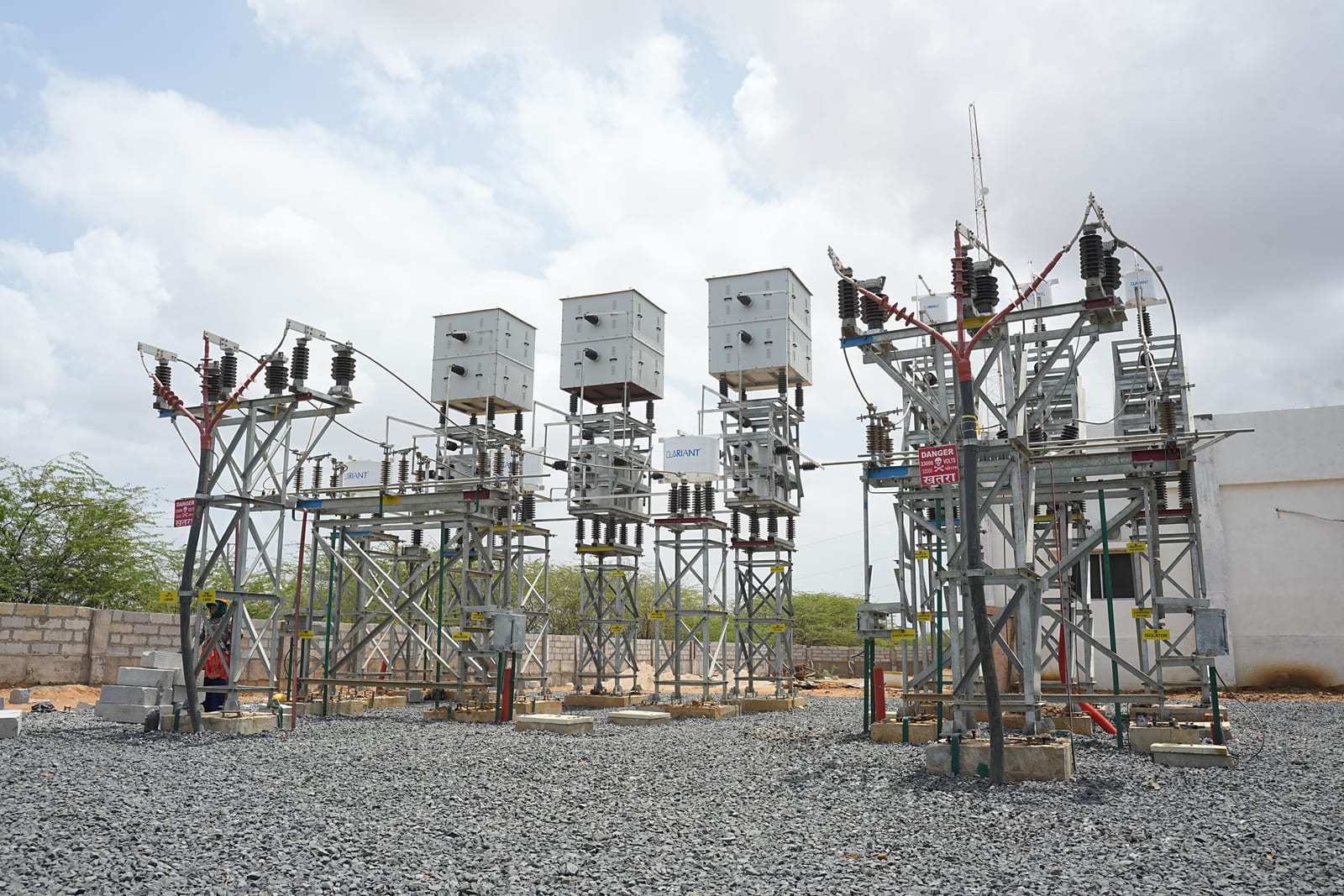
Volcur does not supply EV chargers or V2G systems. What we build is the high-voltage layer behind charging infrastructure: the substations, transformer capacity and grid connections that a future fast and bidirectional charging site depends on. Get that foundation right and the charging hardware can follow.
Frequently asked questions
What is the difference between V1G and V2G?
V1G is smart one-way charging that controls timing and rate; V2G adds bidirectional capability so vehicles can also discharge energy back to the building or grid.
Is V2G available in India yet?
V2G in India is at an early, pilot stage. Smart (V1G) charging is practical and available now, and designing infrastructure to be V2G-ready prepares businesses for wider adoption.
How should businesses prepare EV infrastructure for V2G?
Size the electrical supply for future high-power and bidirectional charging, choose upgradable smart hardware, and integrate an energy management platform from the start.